Craft notes · 7 September 2026 · 3 min read
Looking after brass and bronze
What to wipe with, what never to use, and why a lacquered surface and a bare one are looked after differently.
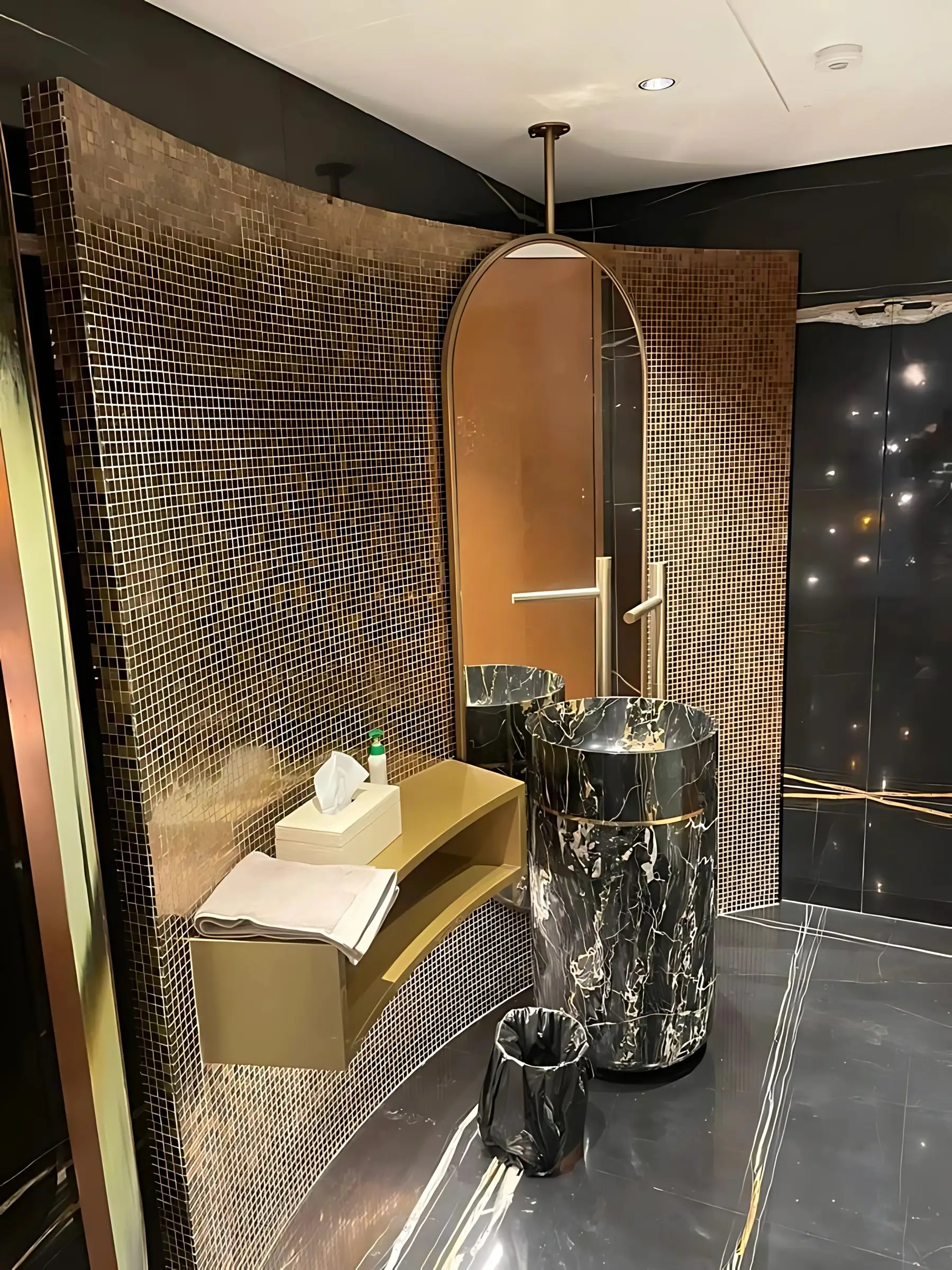
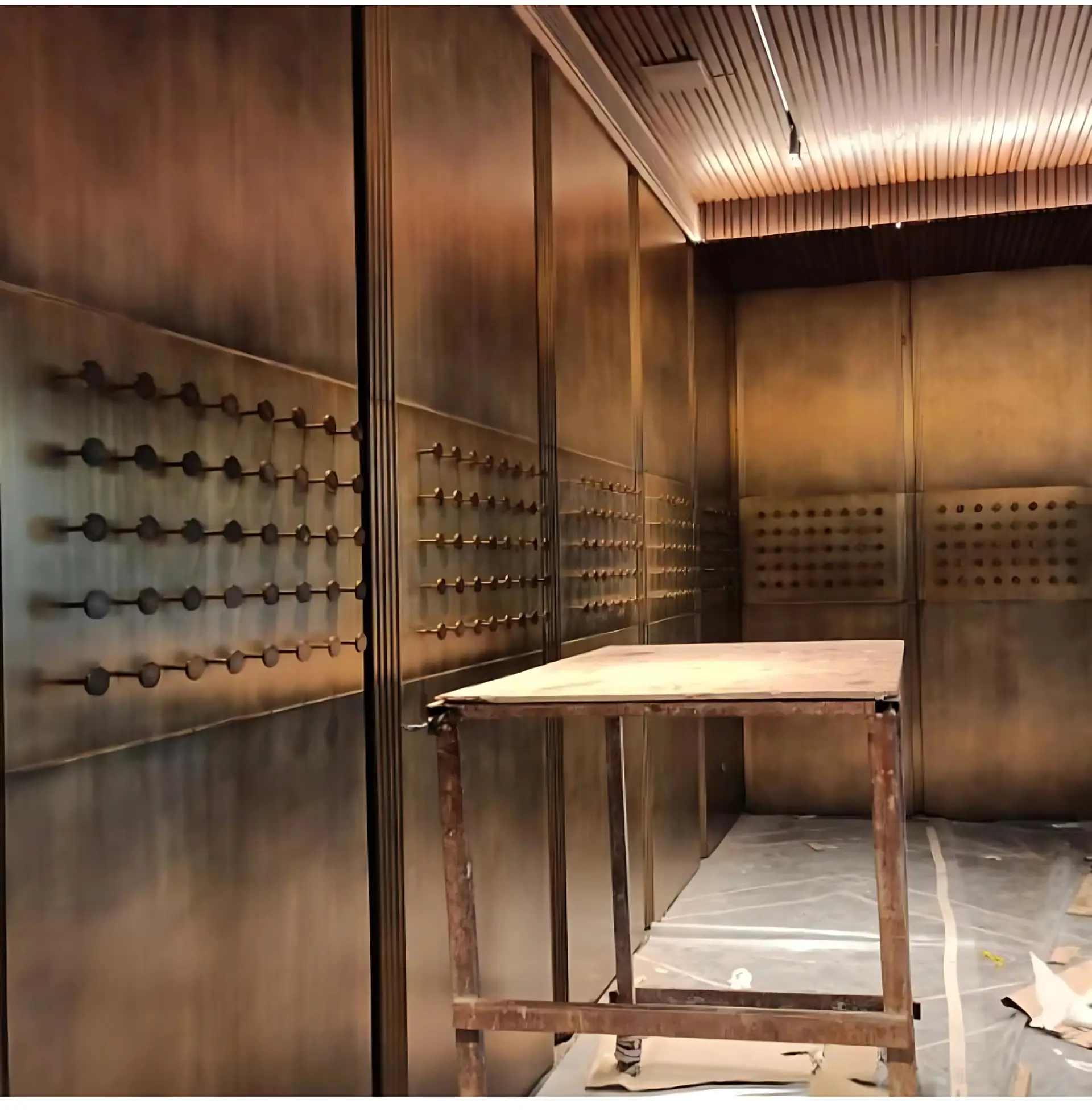
Brass and bronze last for centuries. What they do in the meantime depends on one decision made before they were installed: whether the surface was lacquered, or left bare. The two are looked after differently, and using the routine for one on the other is how most damage happens.
Lacquered
A lacquered surface stays close to the colour it had on the day it was made. It is cleaned with a soft, dry cloth for dust and a damp one for marks, and nothing else. Metal polish, abrasive cream and anything sold for ‘restoring shine’ will cut through the lacquer and leave a patch that then tarnishes while the rest does not. If a lacquered surface is scratched through, the answer is to have it re-lacquered, not to polish it.
Bare
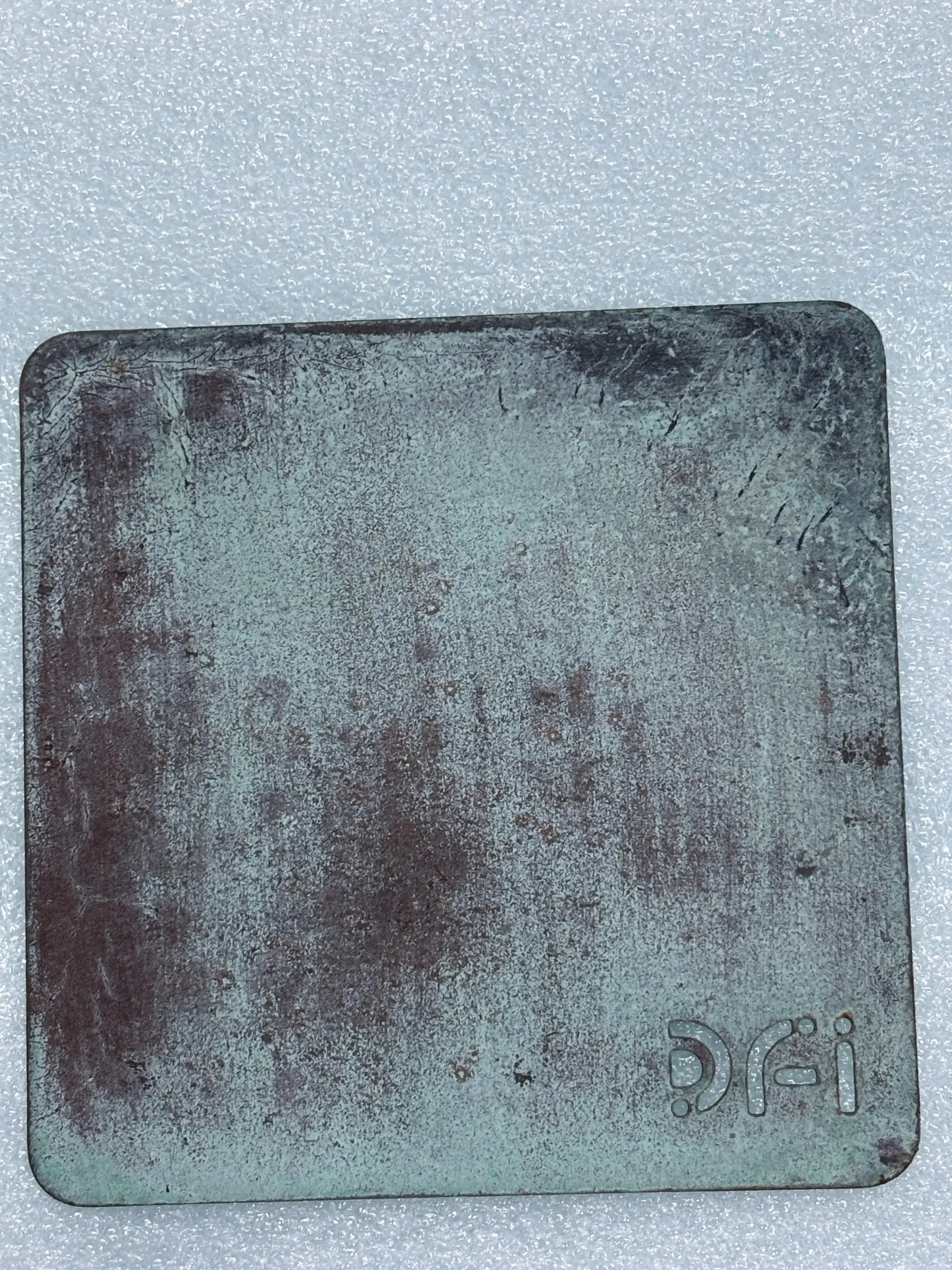
A bare surface is meant to change. It darkens, tones down, and develops where it is touched; that is usually why it was chosen. It is cleaned the same way — dry cloth, damp cloth — and is left alone otherwise. If a brighter tone is wanted back, a proper metal polish will bring it, and the surface will then start again from bright. Wax slows the change without stopping it.
Outdoors
Outside, everything happens faster and less evenly. Rain runs, hands touch, and one side of a piece sees more sun than the other. Bronze outdoors likes an occasional wax. Brass outdoors goes dark and mottled unless it is lacquered, and lacquer outdoors needs renewing. Copper simply goes.
What never to use
Anything abrasive. Anything containing bleach or ammonia. Steel wool, scouring pads, and — on bathroom brass — the descaling sprays sold for taps and tiles, which strip lacquer and etch bare metal in minutes. When in doubt, water and a cloth.