Discipline

Screens & Partitions

Dividing space without closing it — pattern, light and transparency in metal.

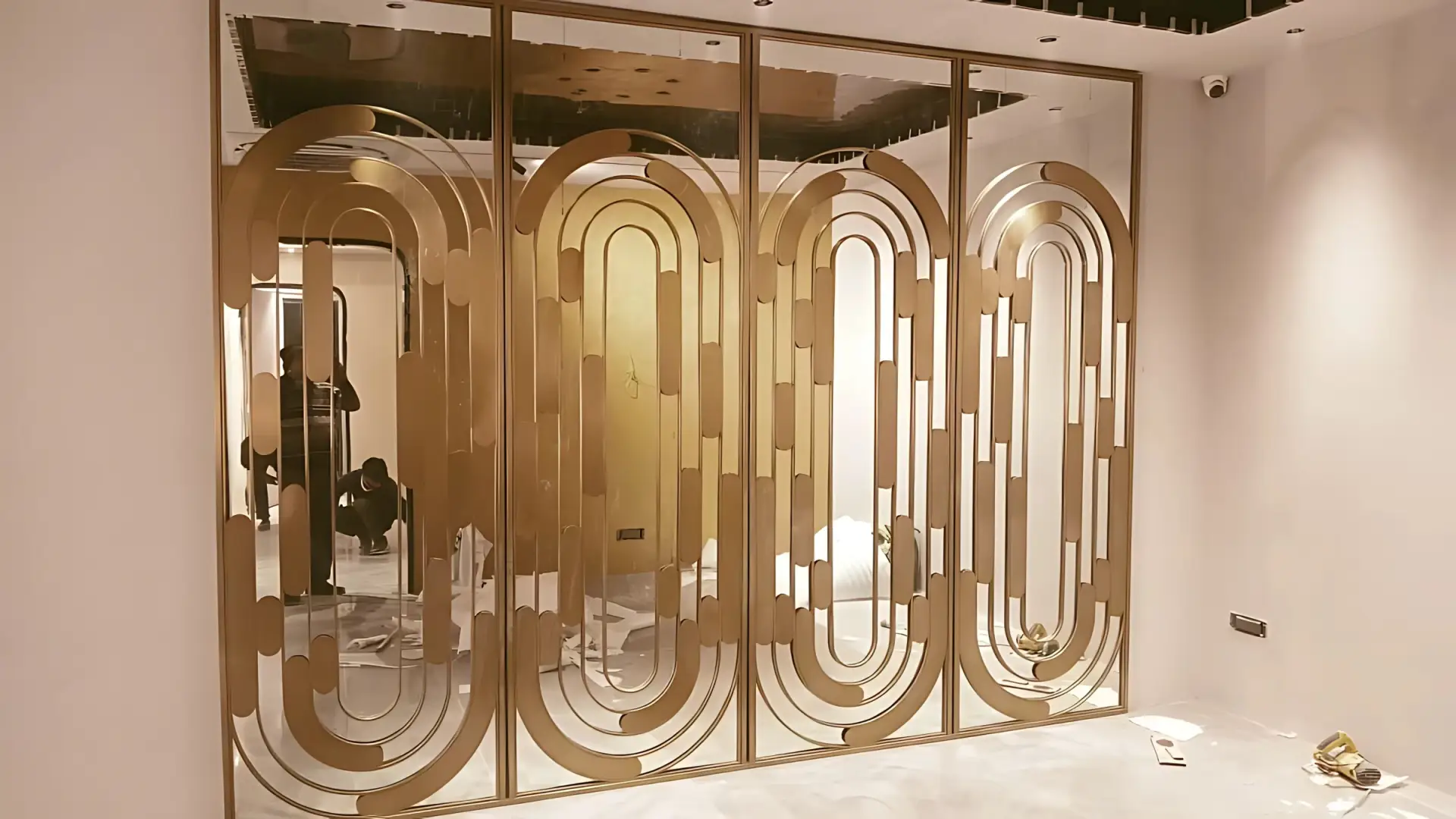
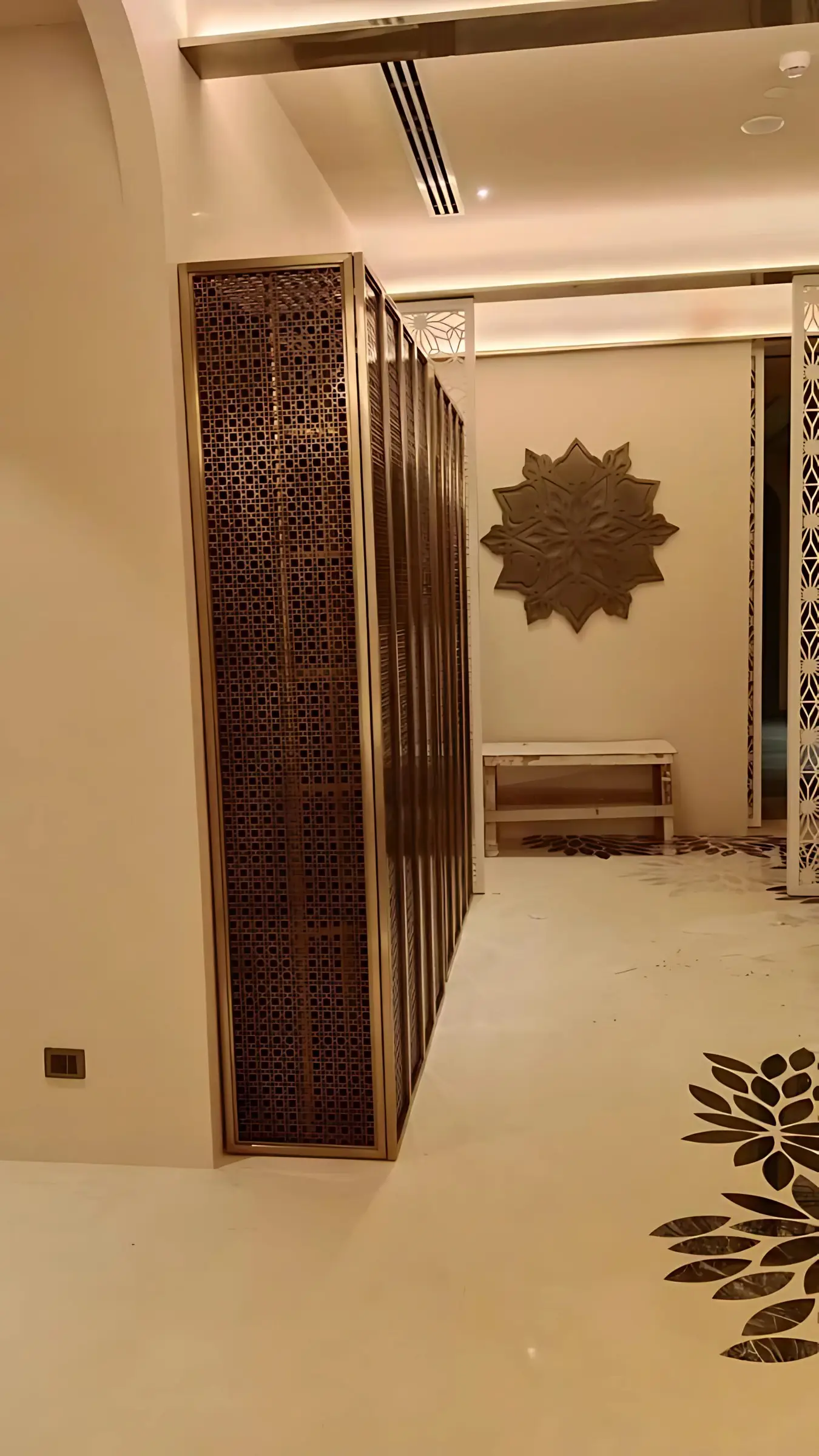
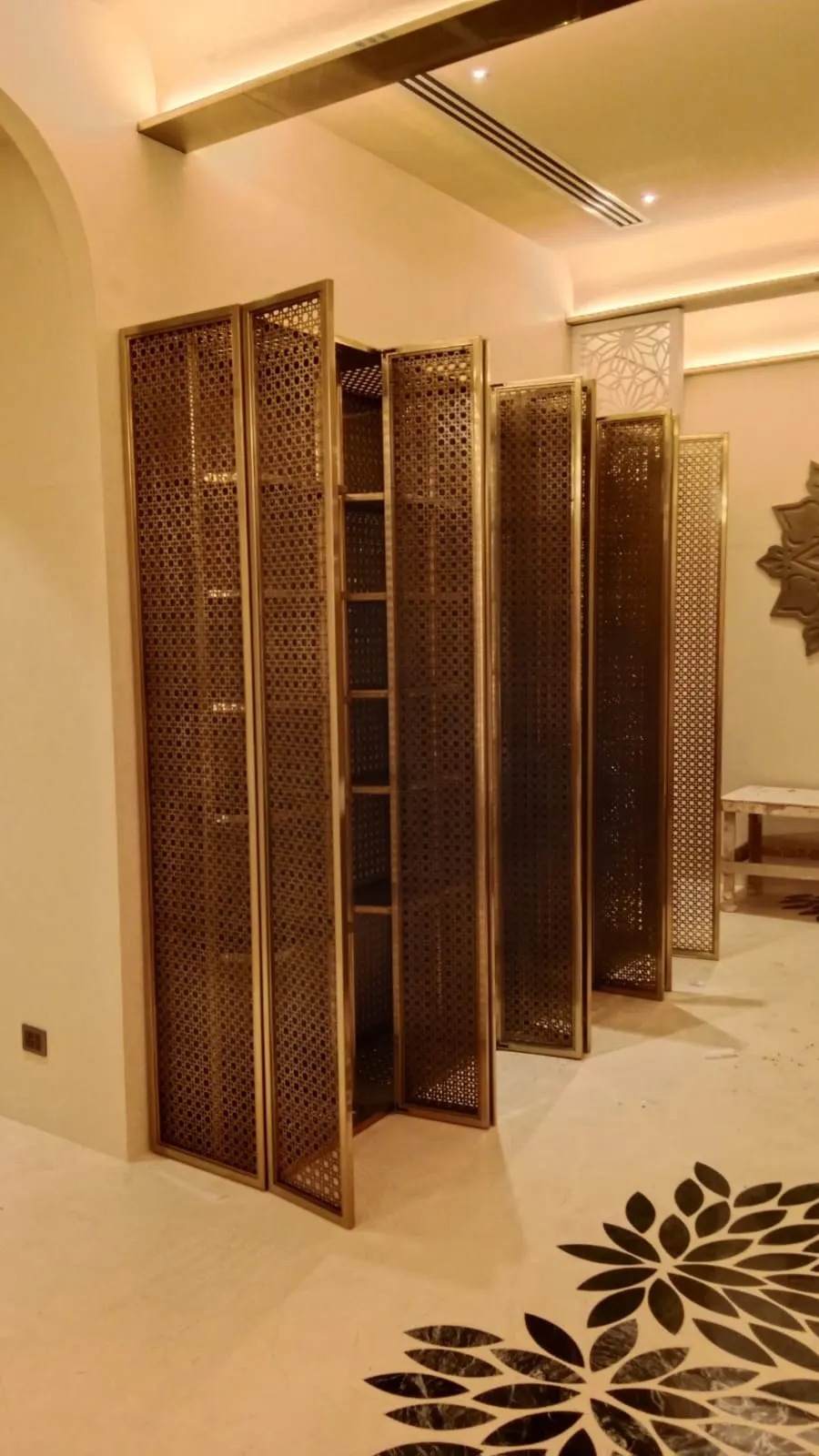
Bronze grid partition wall in a boardroom

Separation without a wall.

Dividing space without closing it — pattern, light and transparency worked out in metal and glass.

A screen is one of the few elements that changes a room twice: once as an object, and again as the pattern of light it throws. Getting that right is a question of proportion — the ratio of solid to void, the thickness of the ligament between cuts, and how the pattern resolves at the frame.

We cut screens on a CNC laser with a two by four metre bed, so most panels come out of a single sheet without a joint. Where a pattern is larger than that, we plan the joint into the pattern rather than through it.

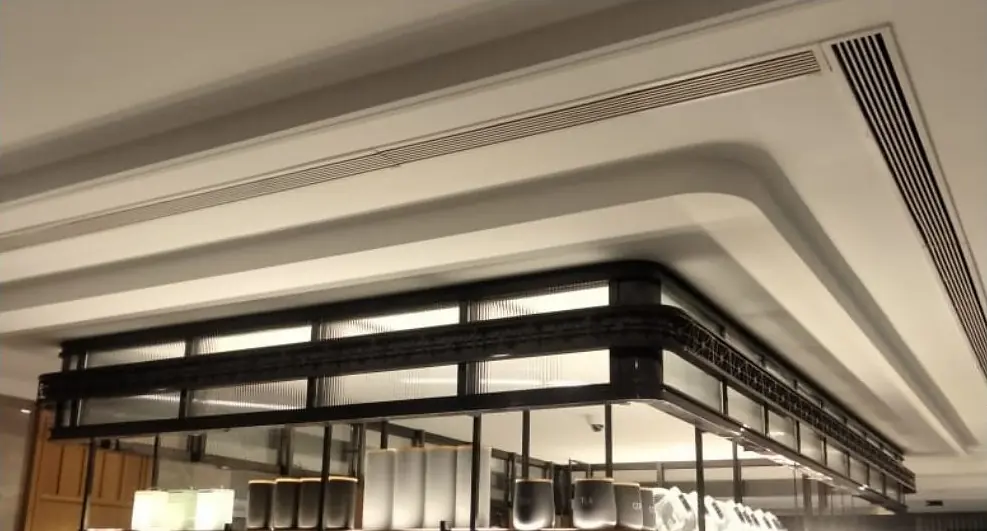
The same discipline applies to steel-and-glass partitions and sliding systems, where the section size, the glazing detail and the running gear all have to be resolved together.
In pictures

Screens & Partitions from the workshop

The gallery
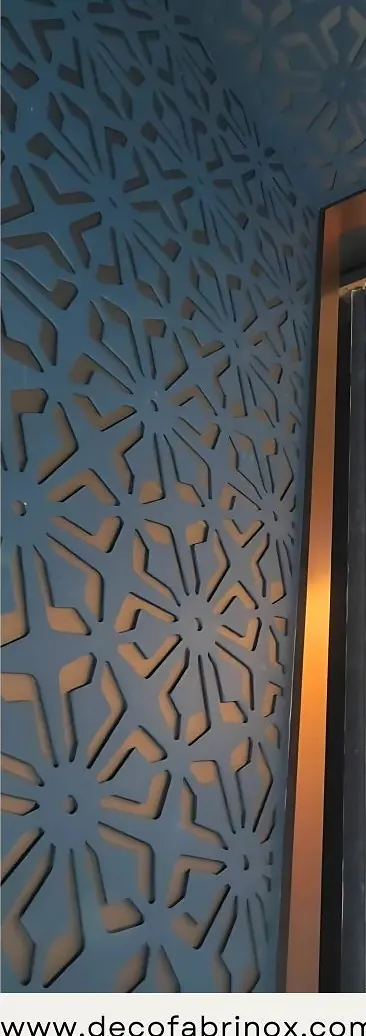
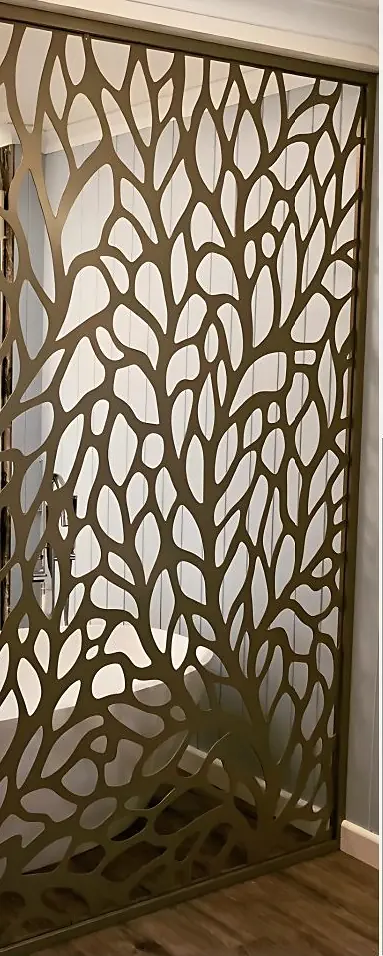
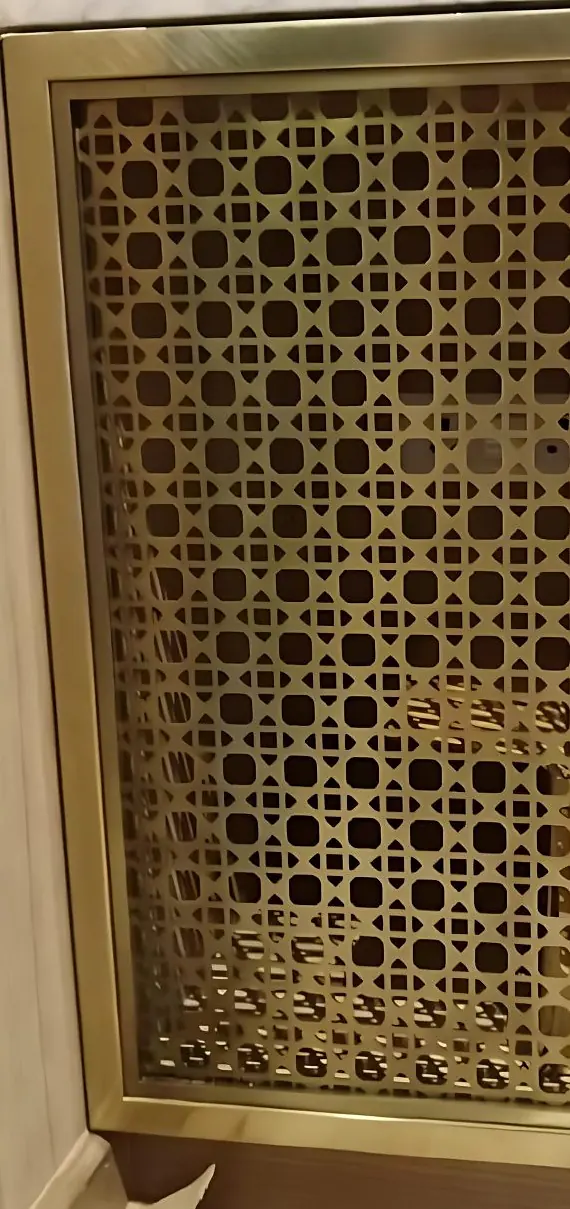
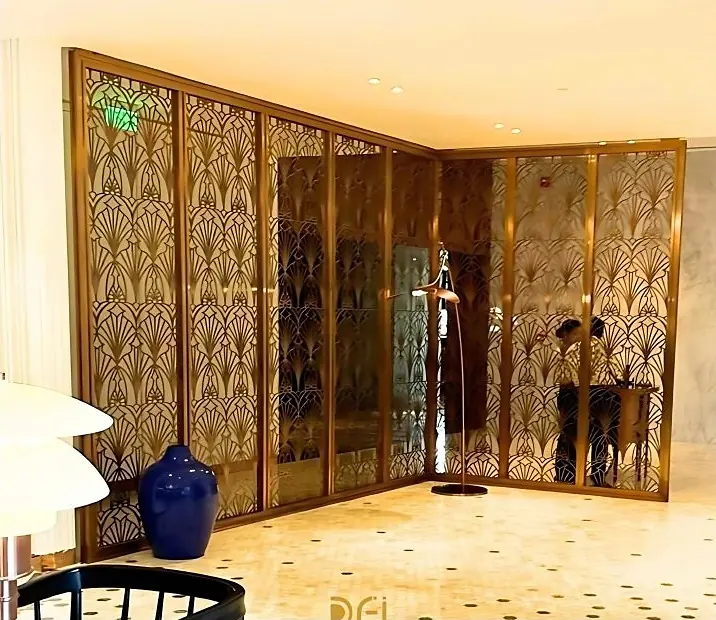
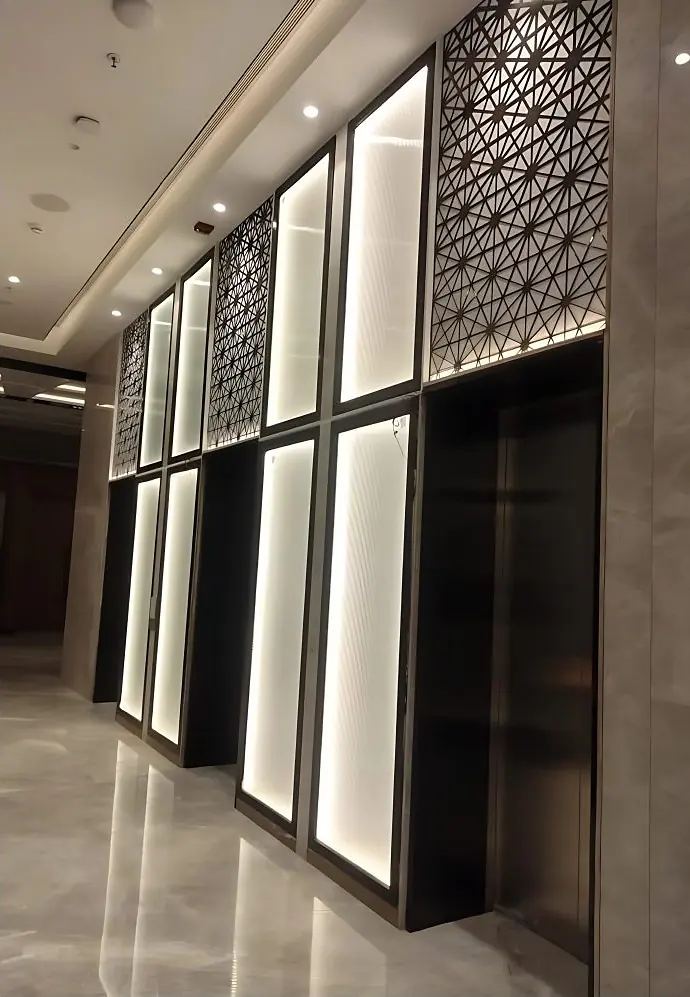
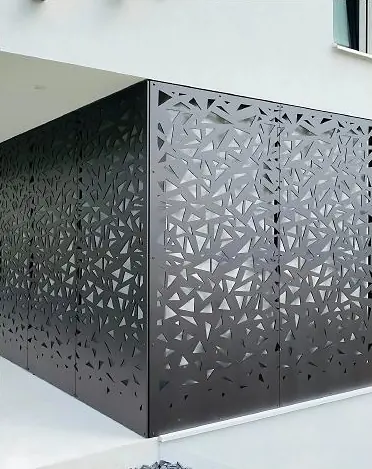
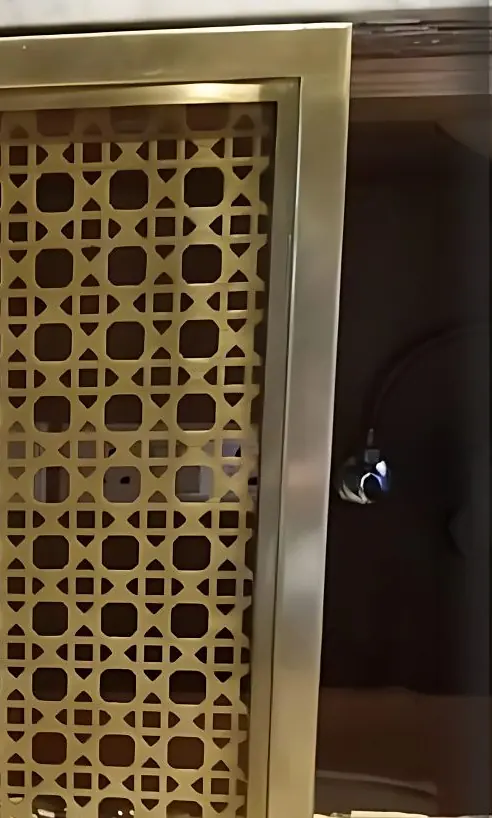
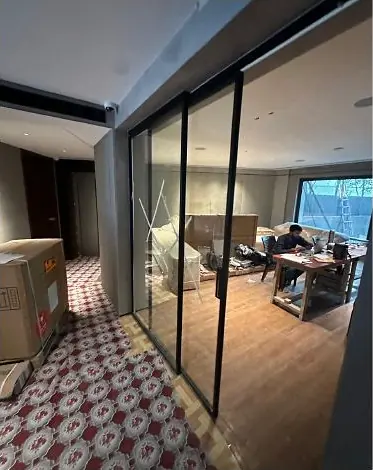
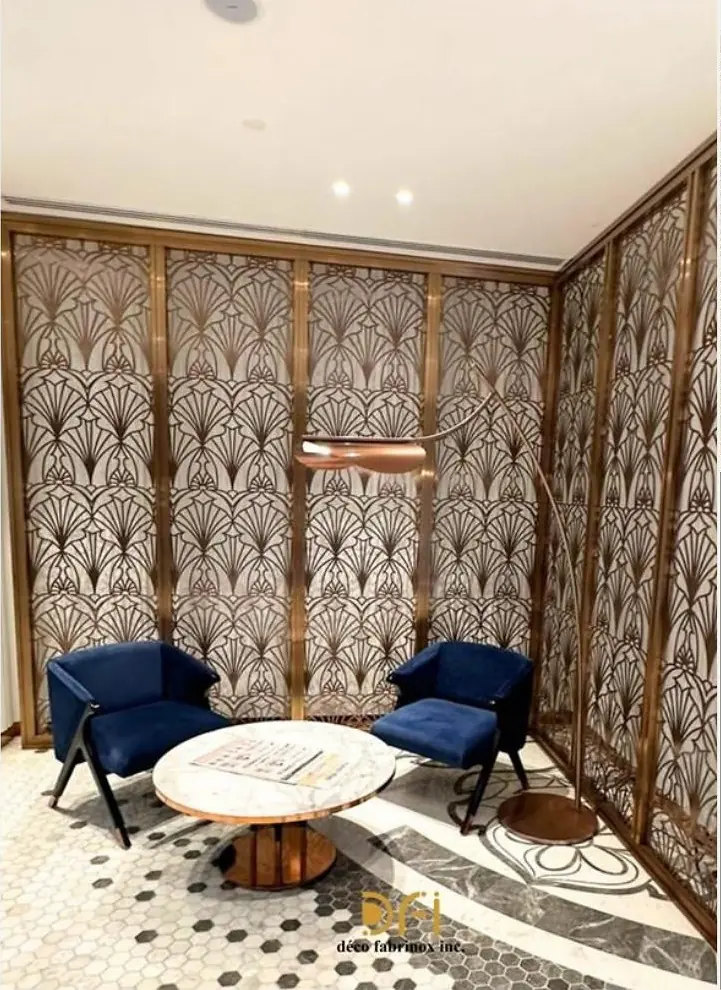
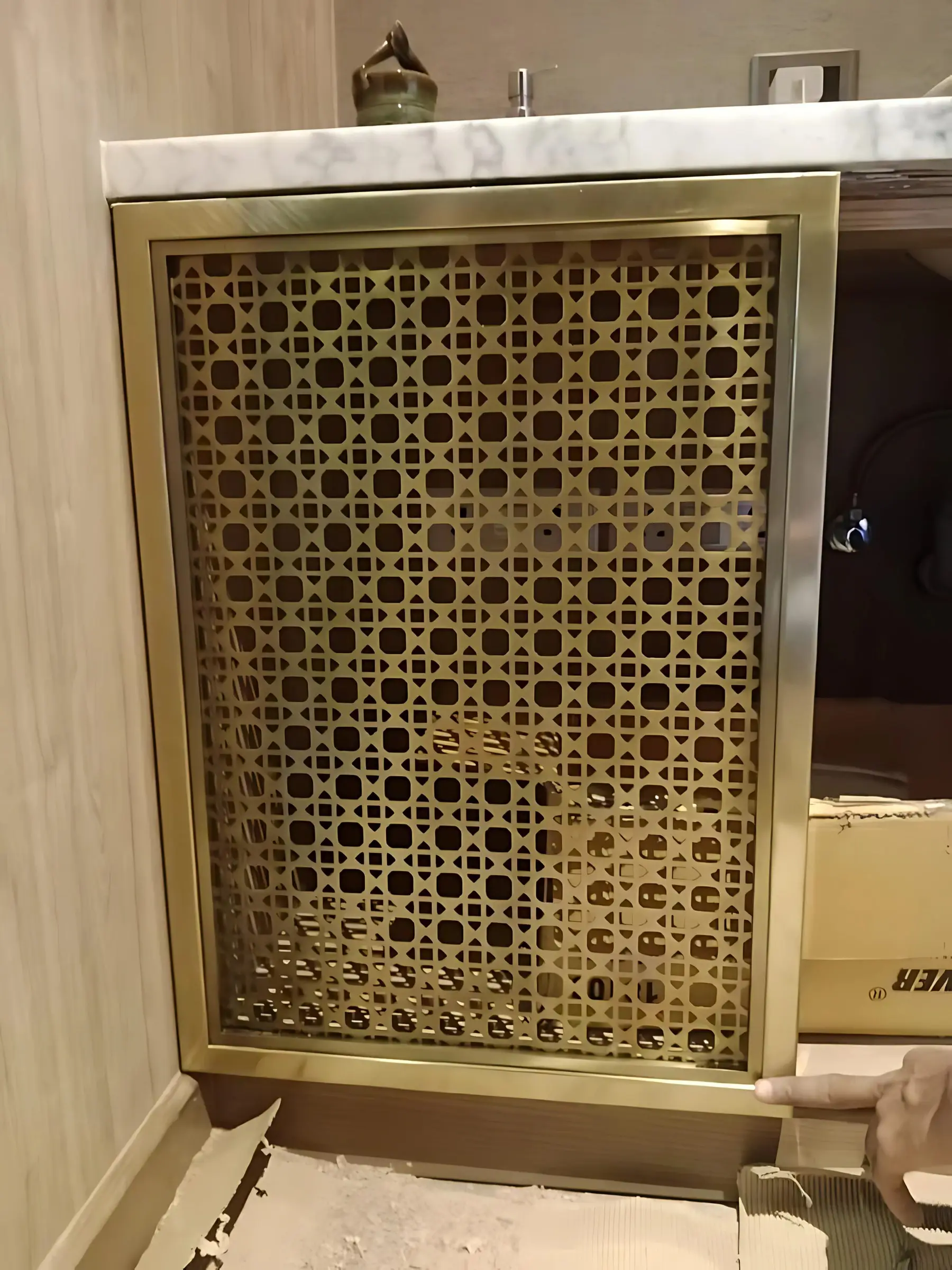
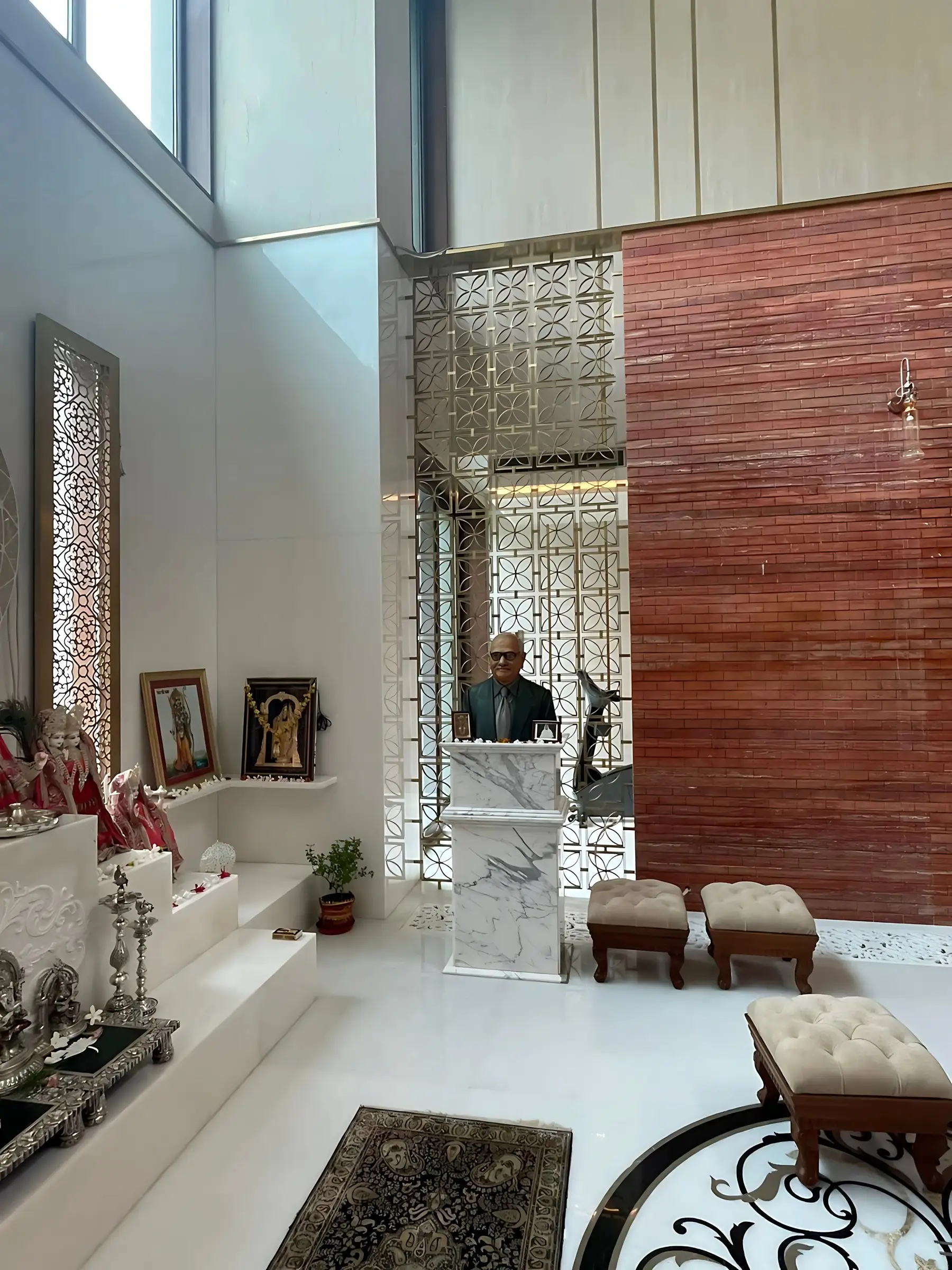
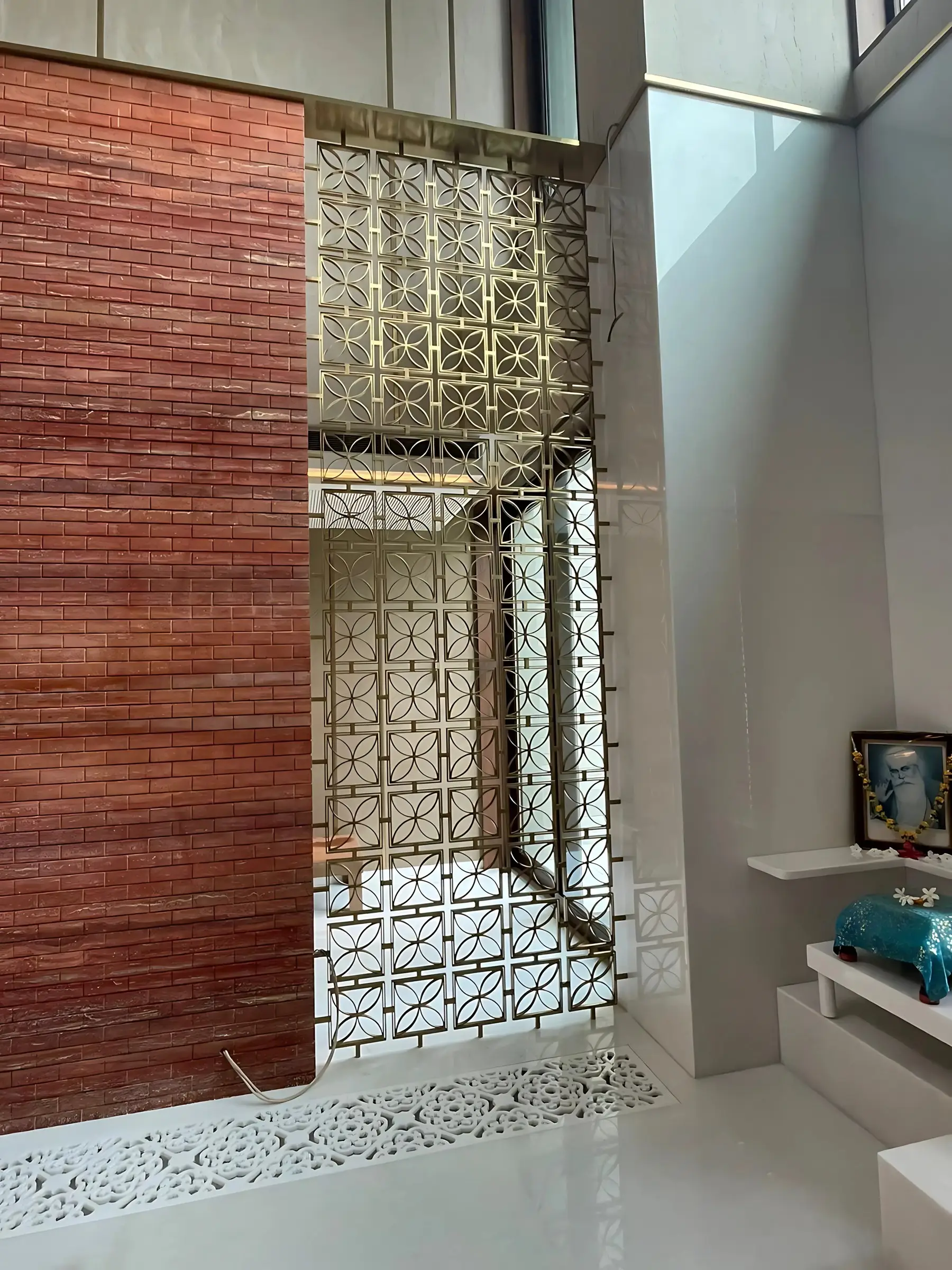
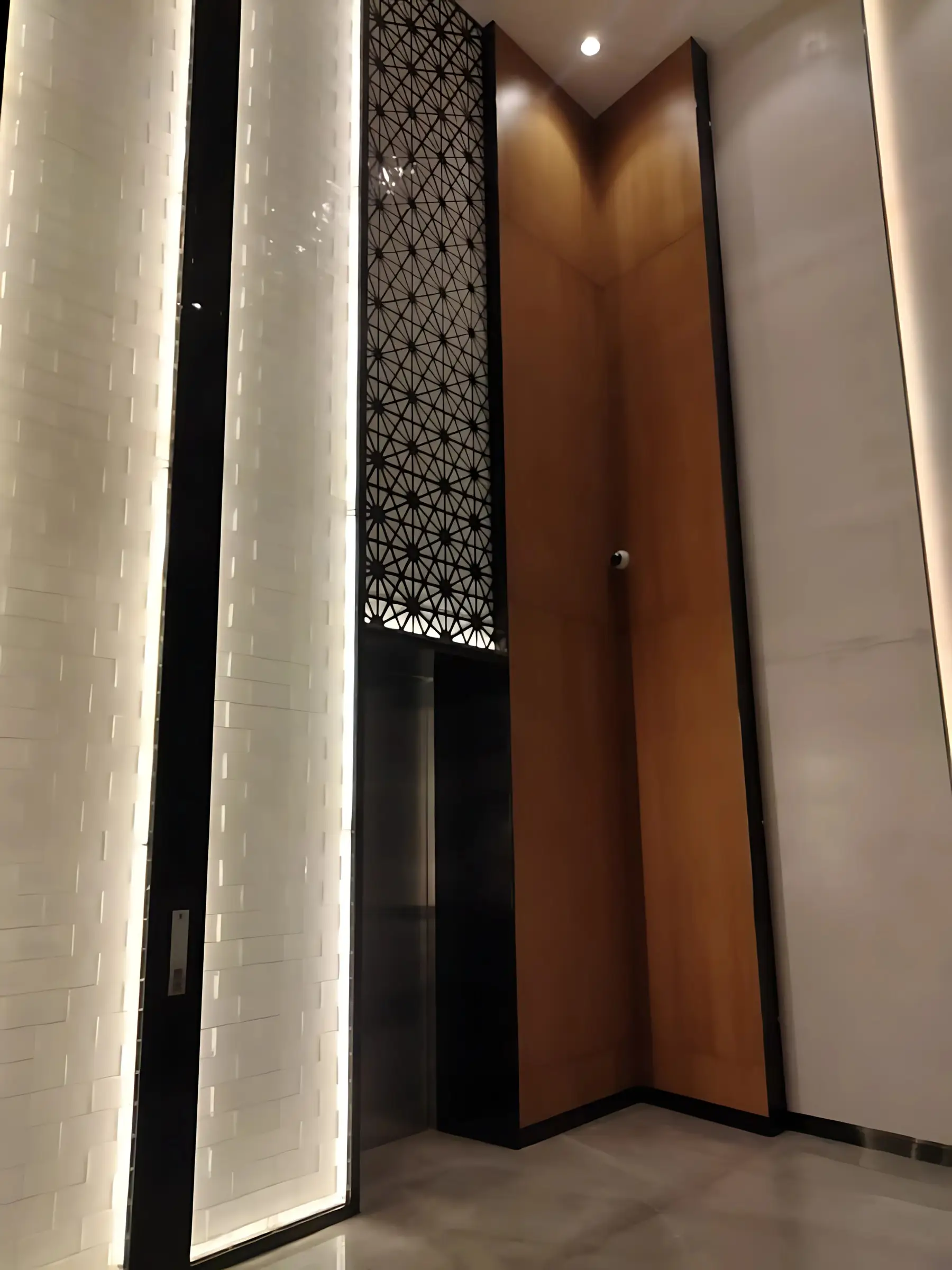
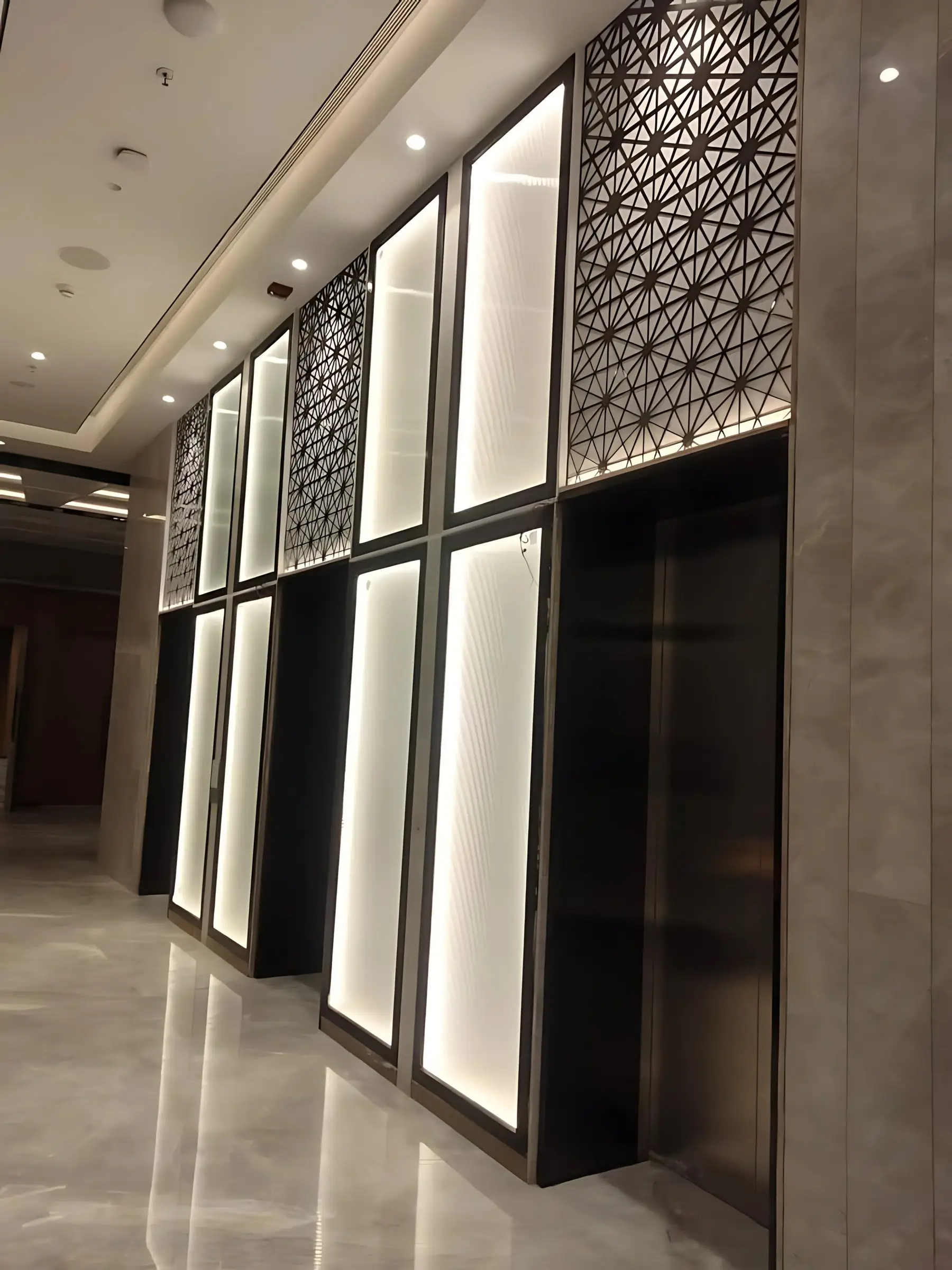
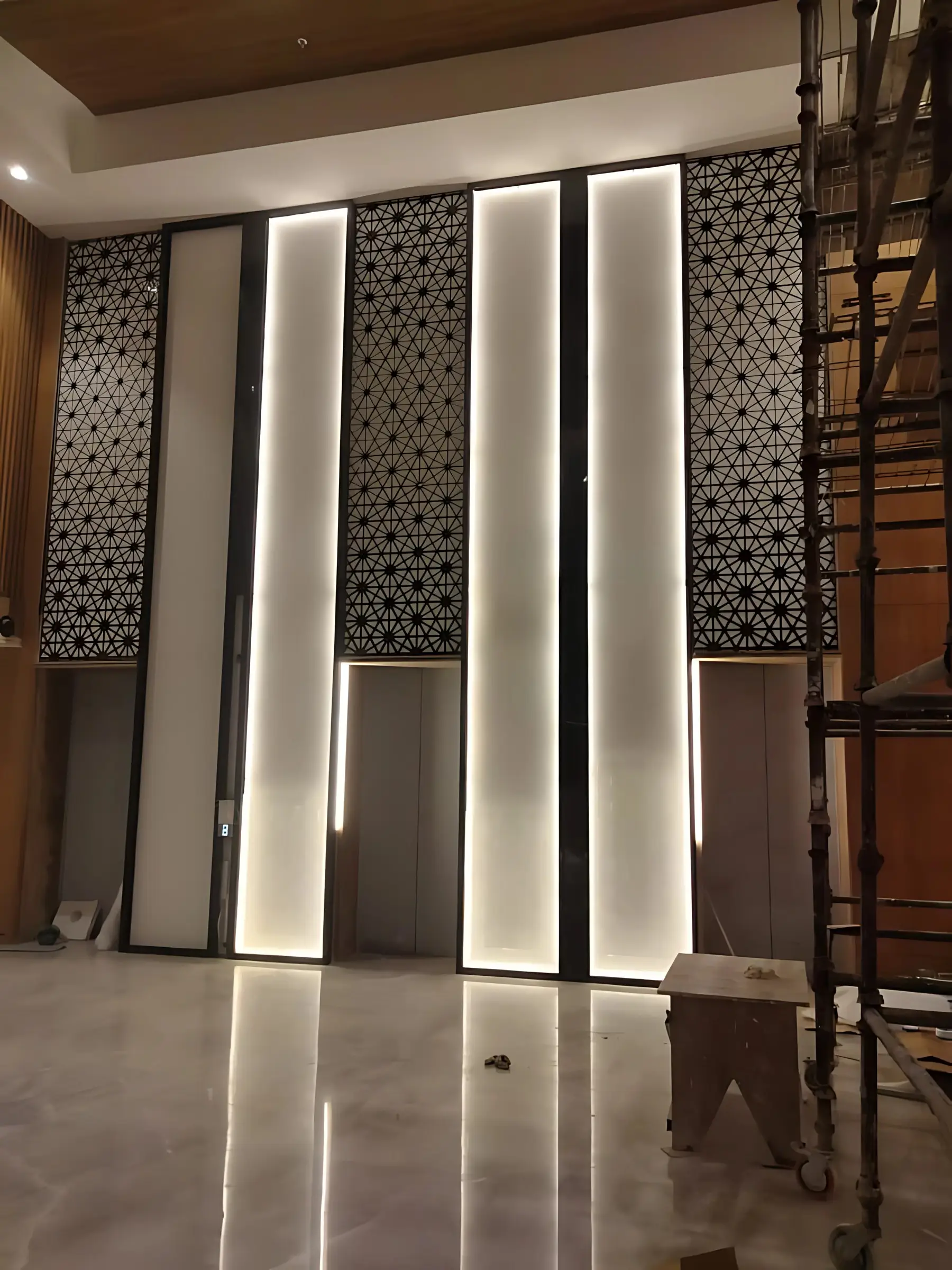
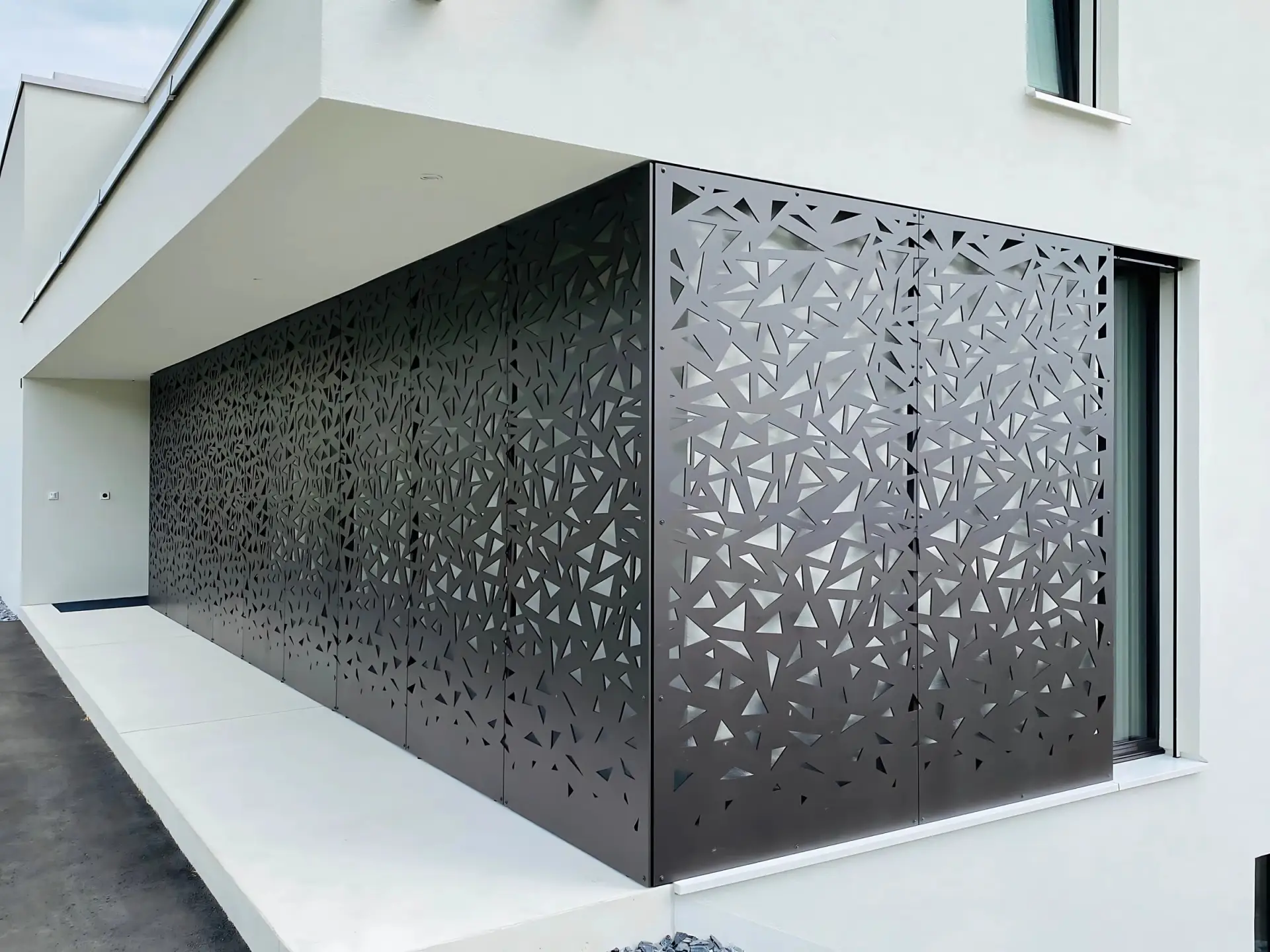
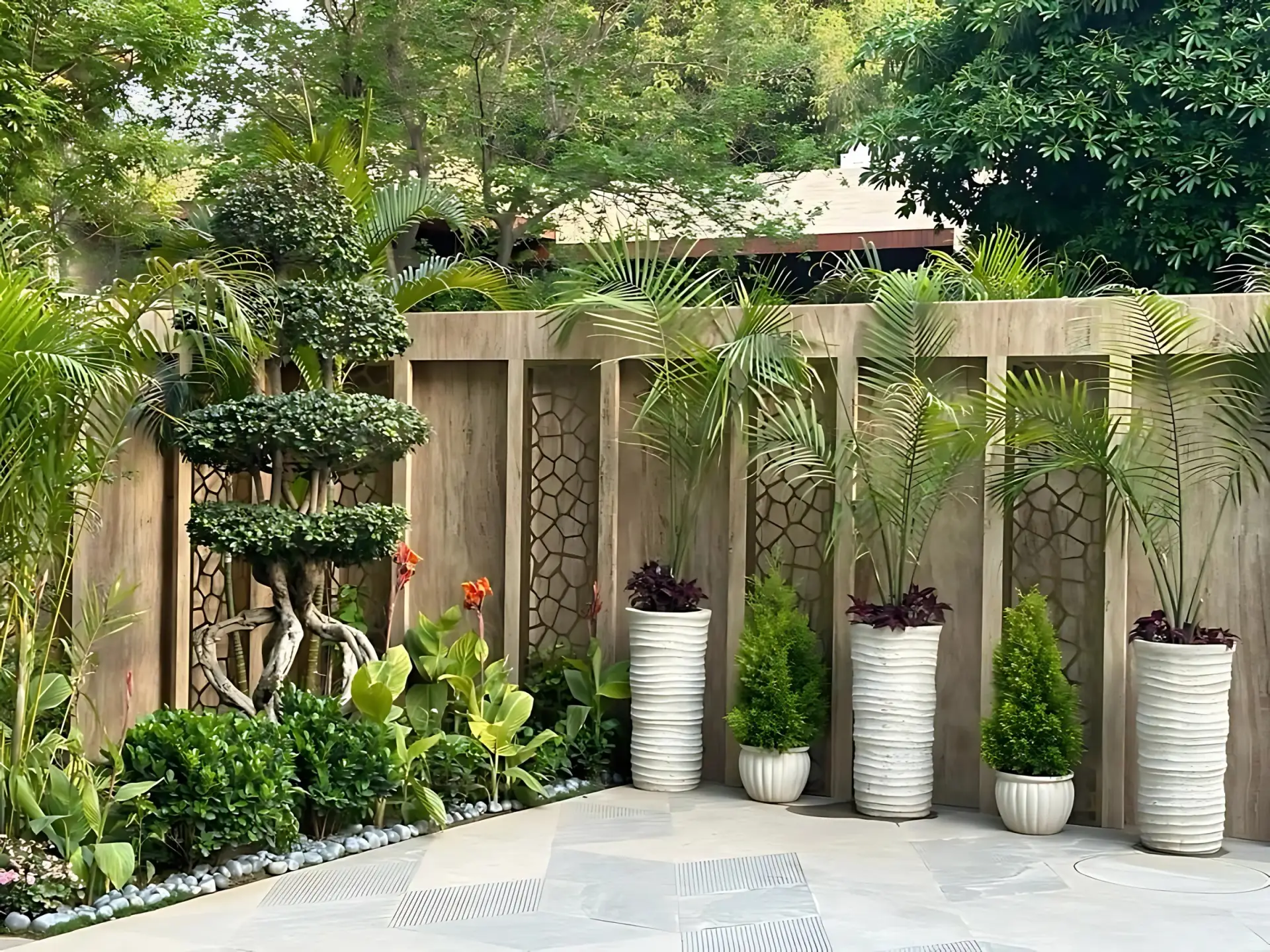
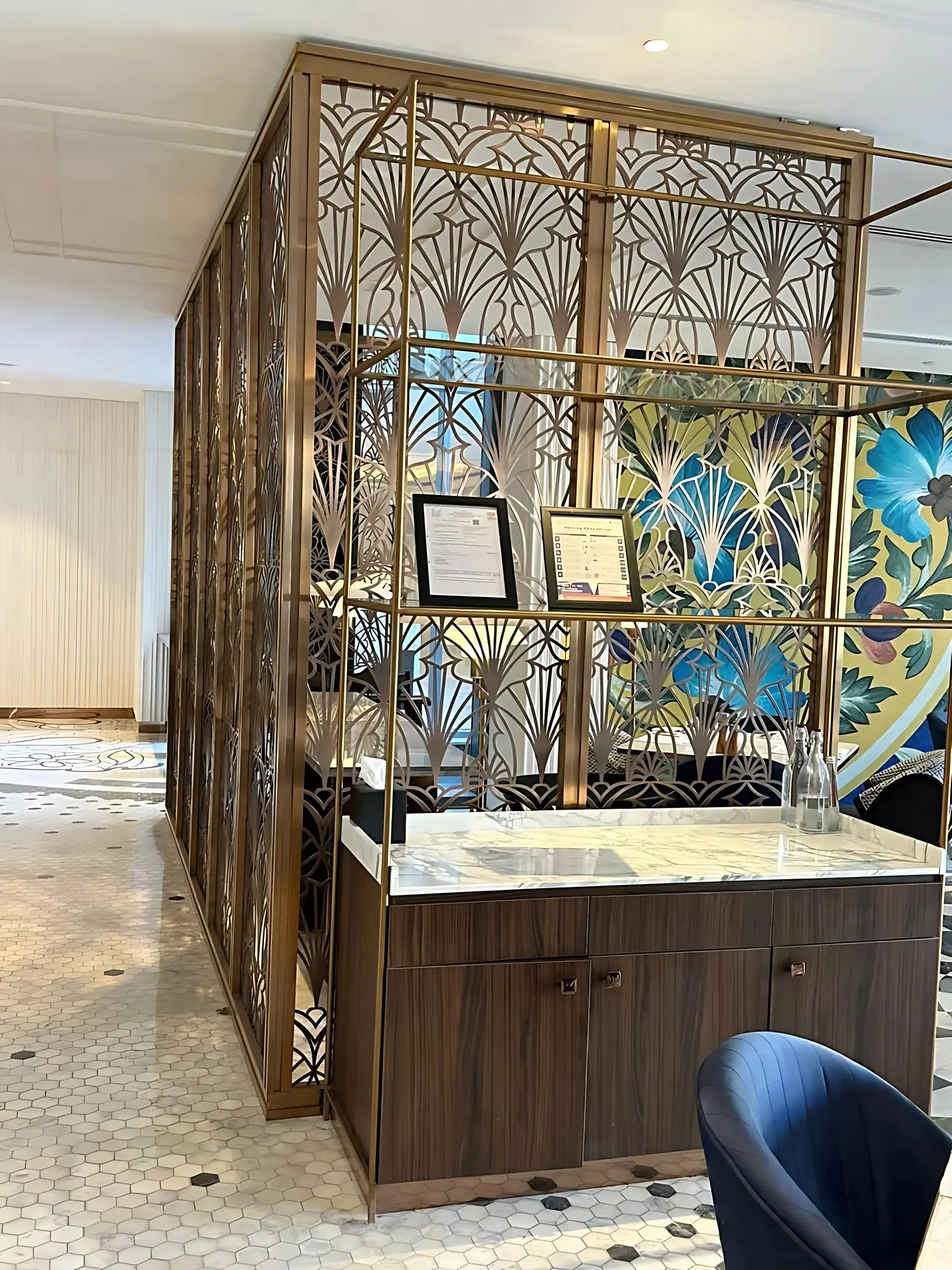
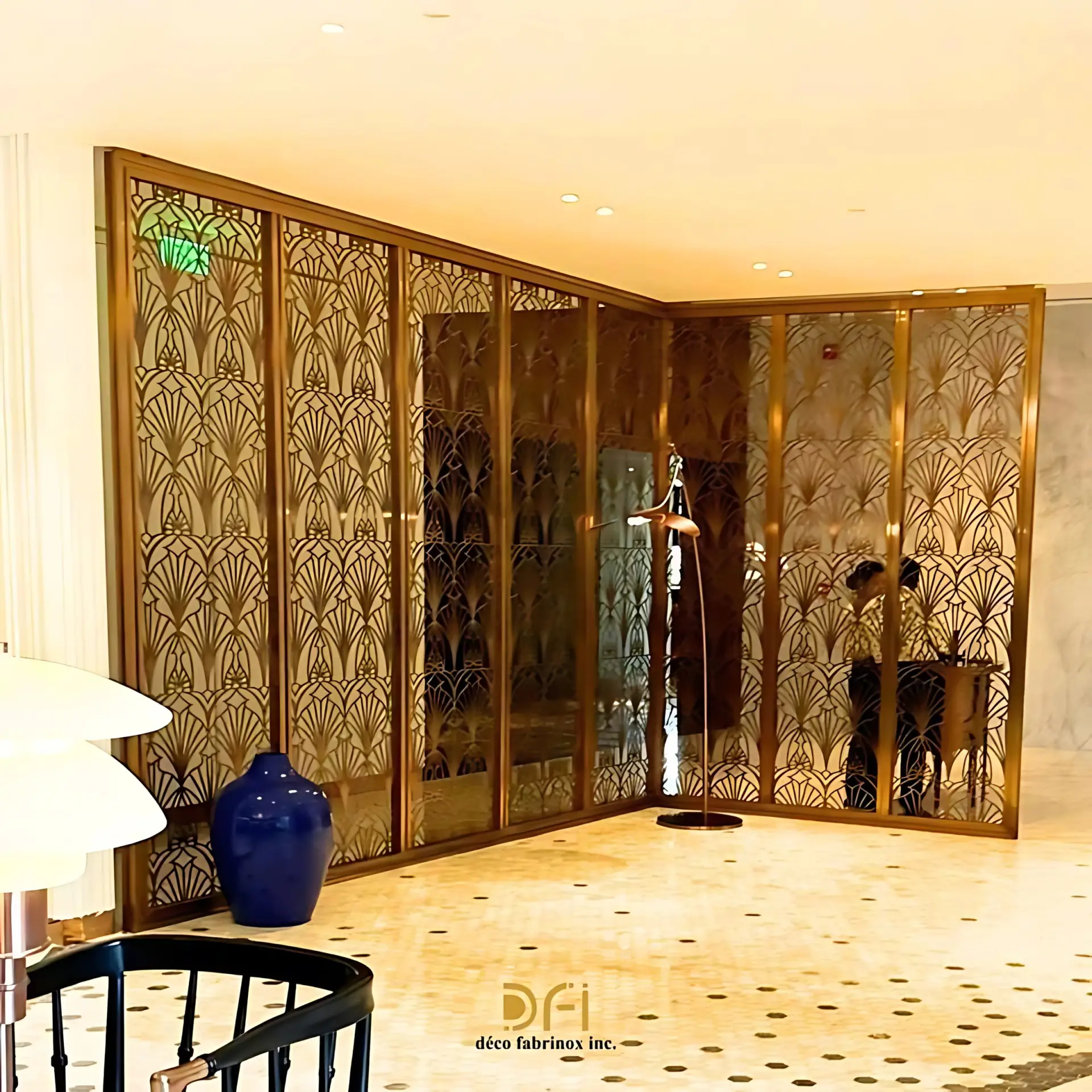
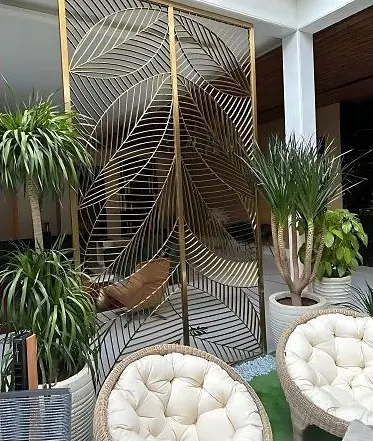
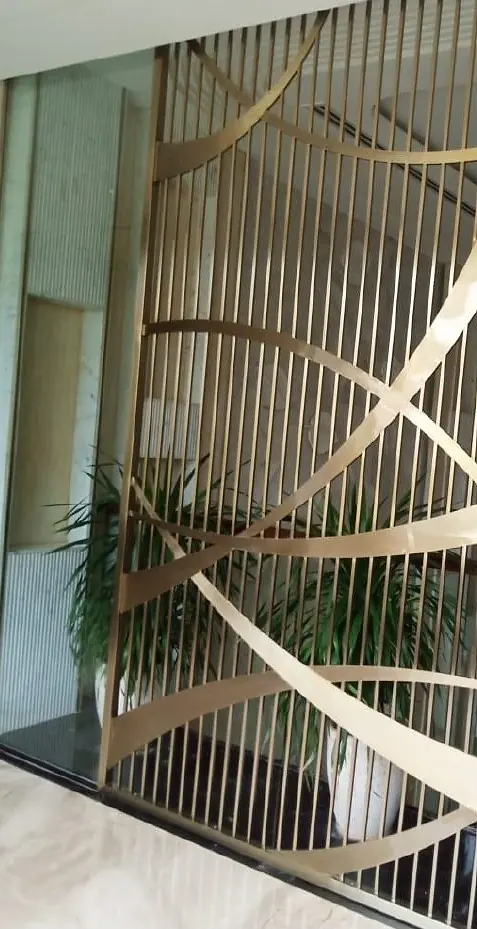
Brass palm-leaf screen on a hotel terraceBrass ribbon screen across a staircase voidBlue laser-cut metal screen panel set against a wallBrass screen with an organic branching patternBrass laser-cut screen panel in a slim frameBrass folding screens enclosing a hotel lobby cornerBacklit metal screen panels lining a corridorBlack laser-cut metal screen panelBrass lattice screen set into an interior wallSteel and glass sliding partition in a suiteBrass screens enclosing a hotel lounge seating areaDecorative metal screen and partitionDecorative metal screen and partitionDecorative metal screen and partitionDecorative metal screen and partitionDecorative metal screen and partitionDecorative metal screen and partitionDecorative metal screen and partitionDecorative metal screen and partitionDecorative metal screen and partitionDecorative metal screen and partitionDecorative metal screen and partitionDecorative metal screen and partitionDecorative metal screen and partition

Questions about screens & partitions

How open should a decorative screen be?

It depends on what it is for. A screen that separates two dining areas should let light and glimpses through but not a clear view; one that hides a plant room should not. The pattern’s open area, its depth and how it is lit decide this, so the honest test is a full-size section of the real pattern held where the screen will stand and looked at from where people will be.

Can a laser-cut pattern be changed once it is cut?

No — a cut sheet is a cut sheet. Everything before that point is cheap to change and everything after it is a new panel. That is why the pattern is proofed at full size, on the real metal, before the production run starts.

Start a conversation

Planning screens & partitions for a project?

Send a drawing, a sketch, or a photograph of something close to it. We will tell you what is buildable, what it costs and how long it takes.

WhatsAppCallEnquire