Discipline

Luxury Wall Cladding

Metal surfaces that give a wall its material identity — flat, folded or three-dimensional.

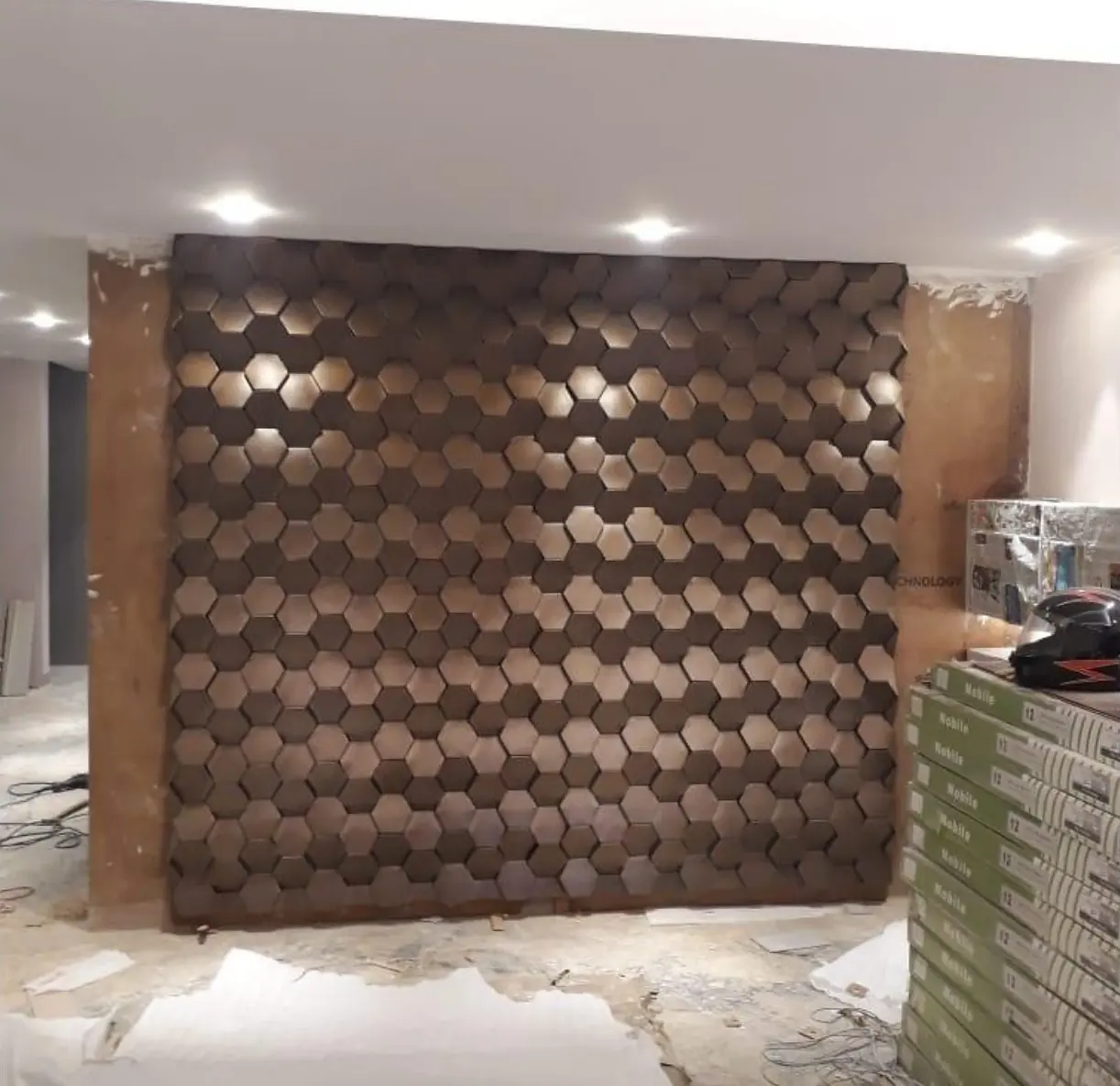
Bronze three-dimensional hexagonal feature wall

A wall is a surface. Cladding decides what it is made of.

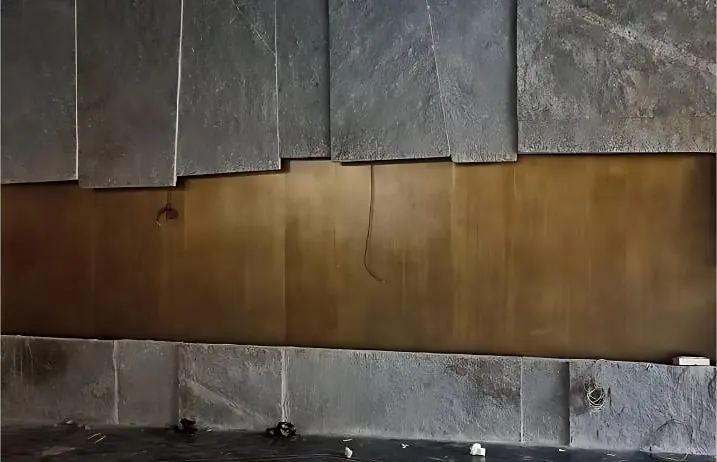
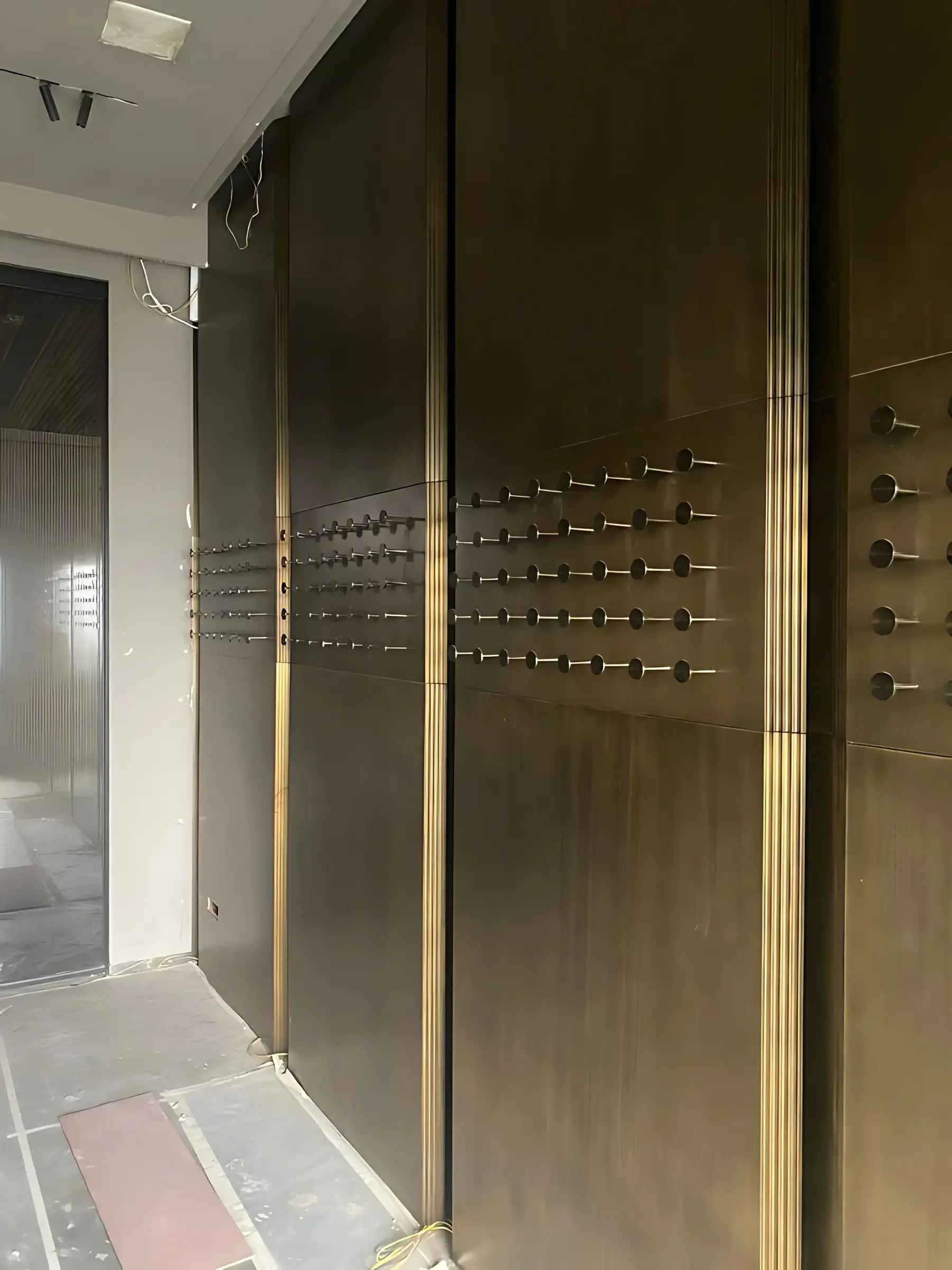
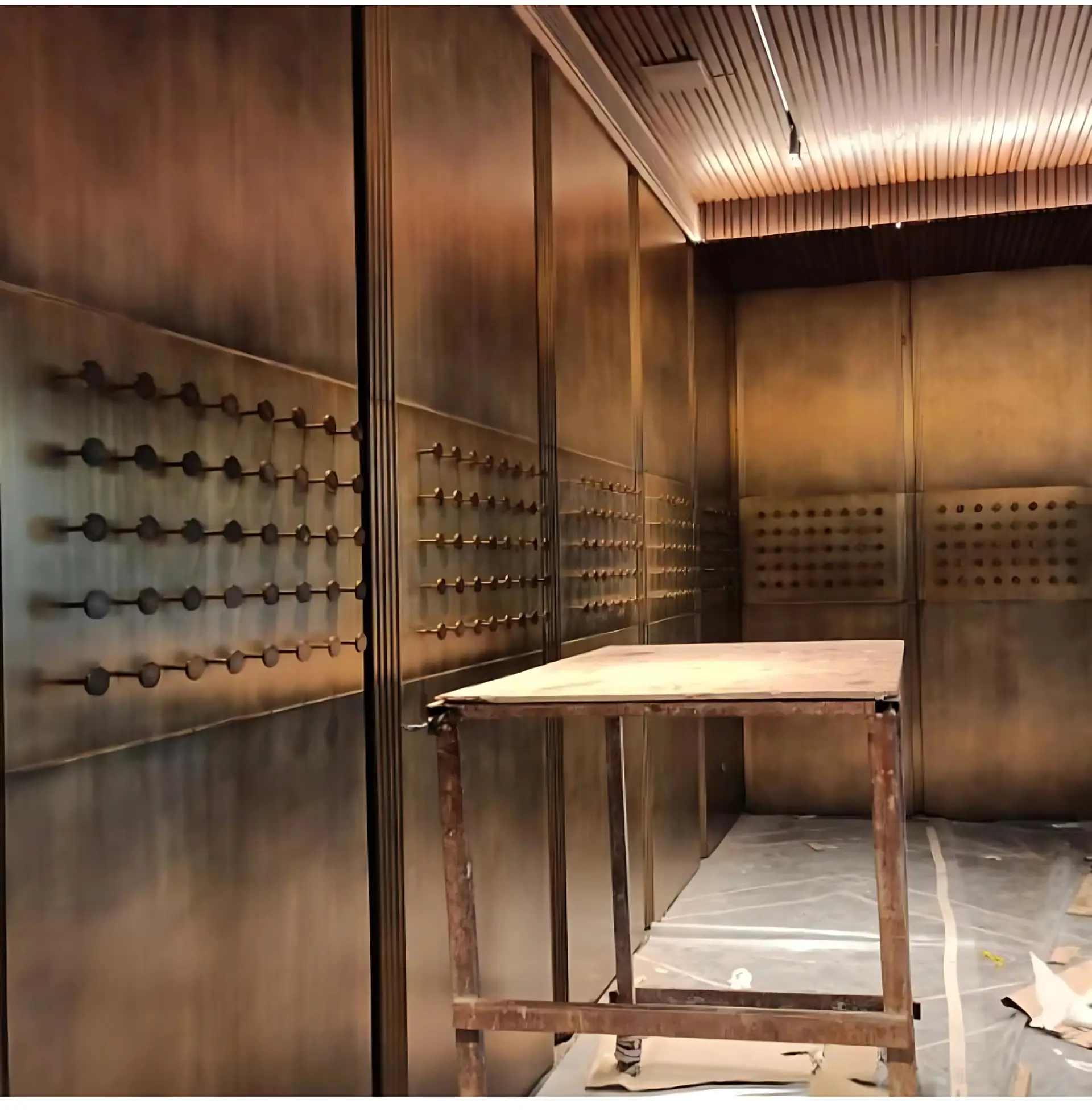
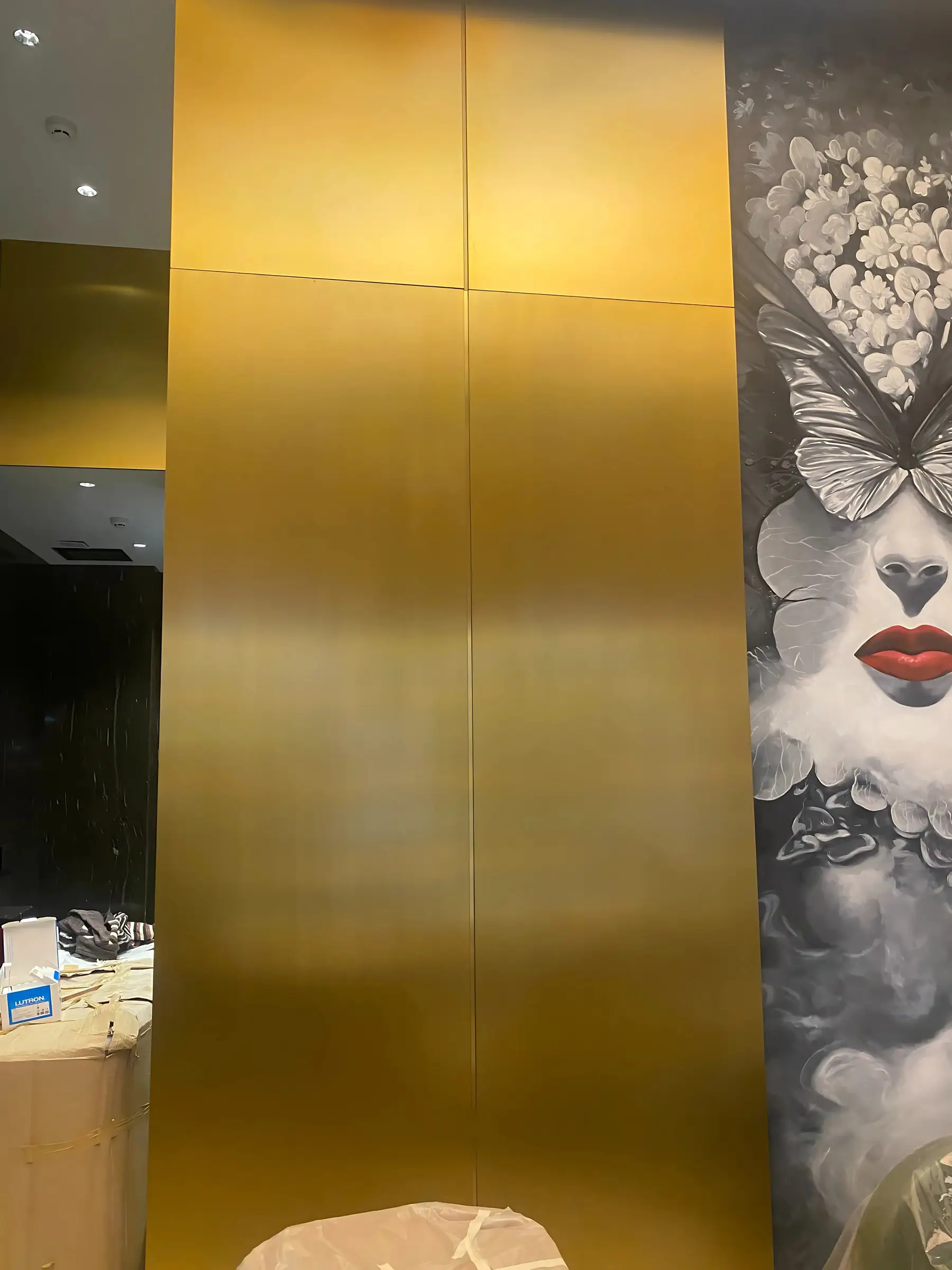
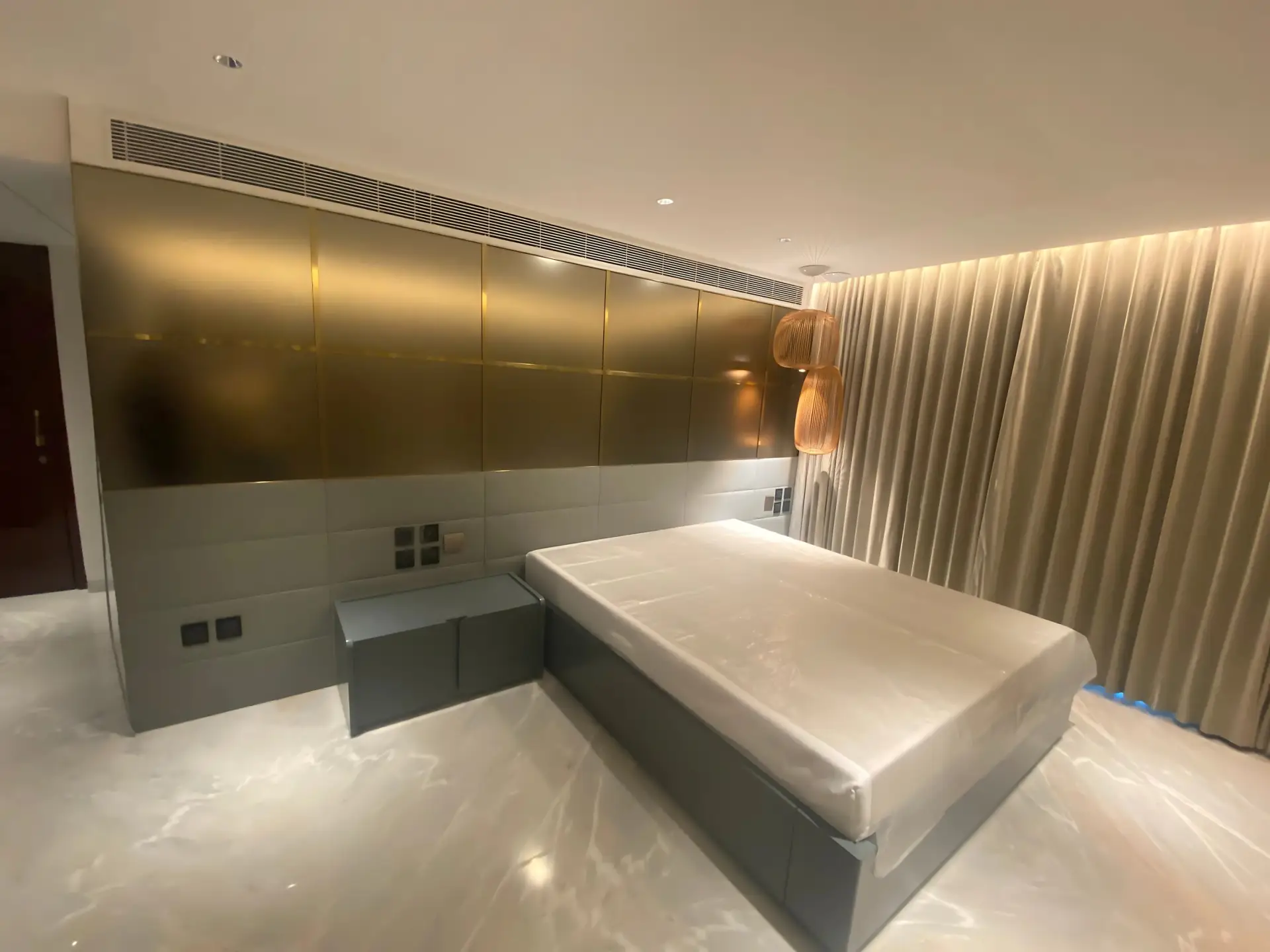
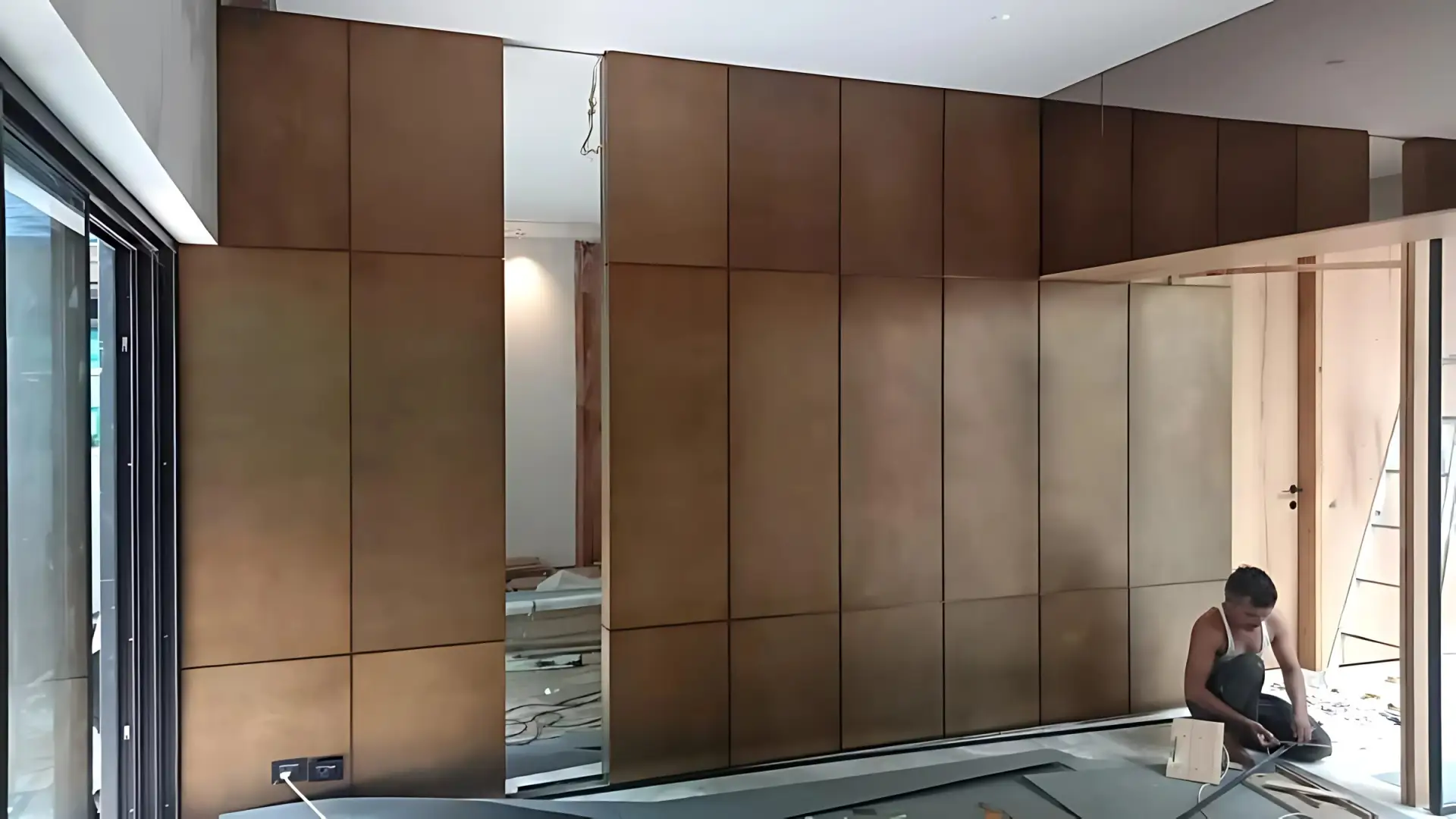
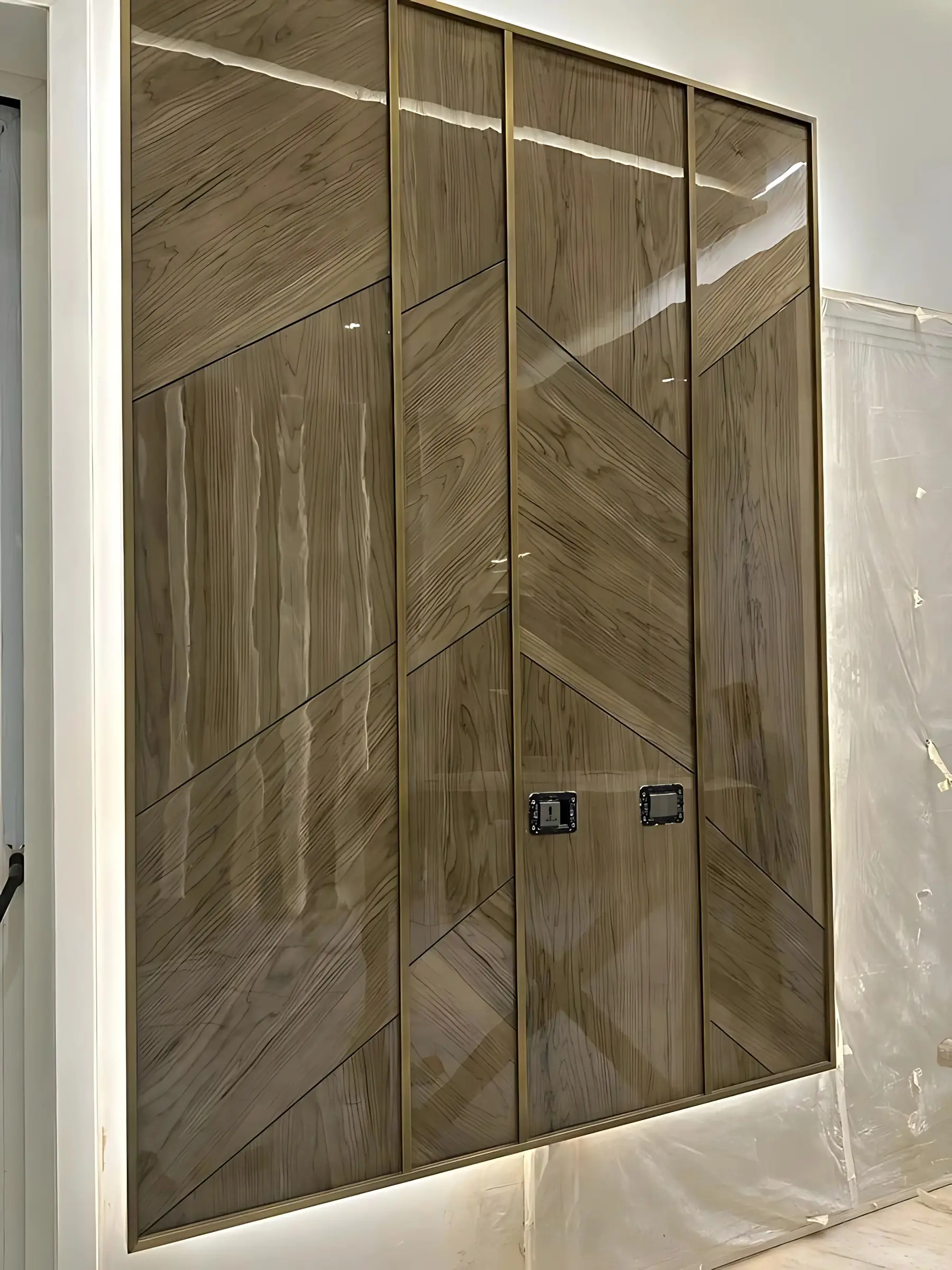
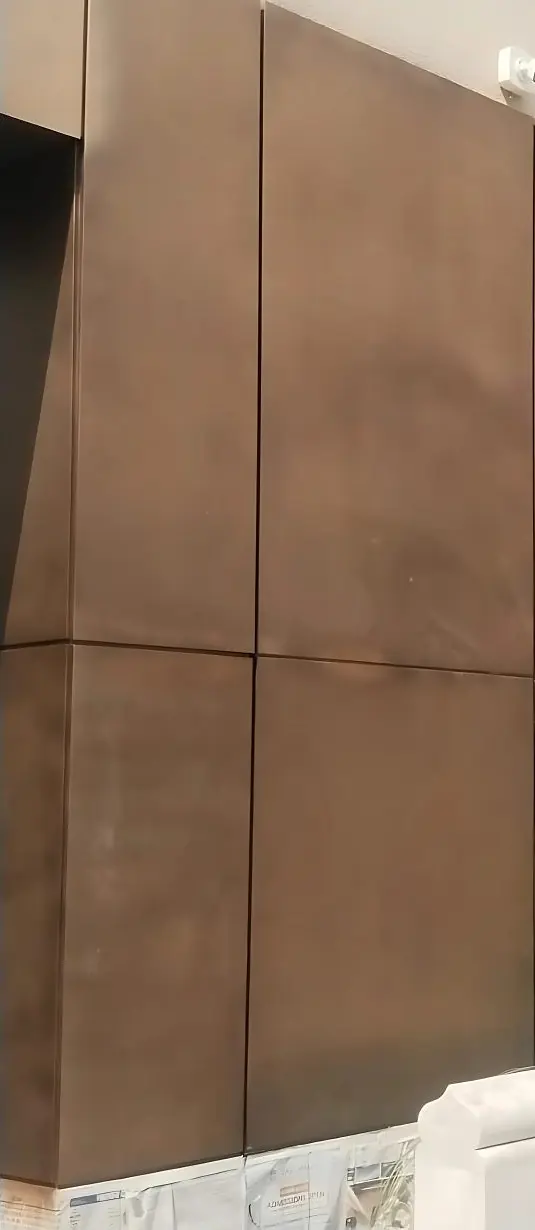
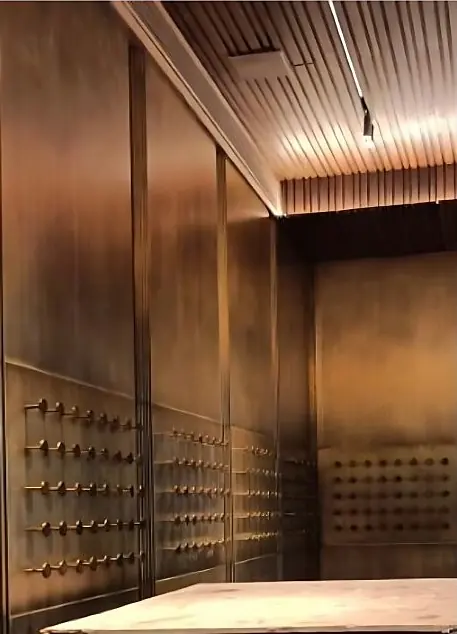
Metal surfaces that give a wall its material identity — flat panels with fine shadow joints, folded profiles, and three-dimensional walls built tile by tile.

Metal wall cladding lives or dies on two things: the flatness of the panel and the consistency of the joint. Both are decided long before installation — in how the sheet is grooved, folded and stiffened, and in how the finish is applied across a whole batch so that panel forty matches panel one.

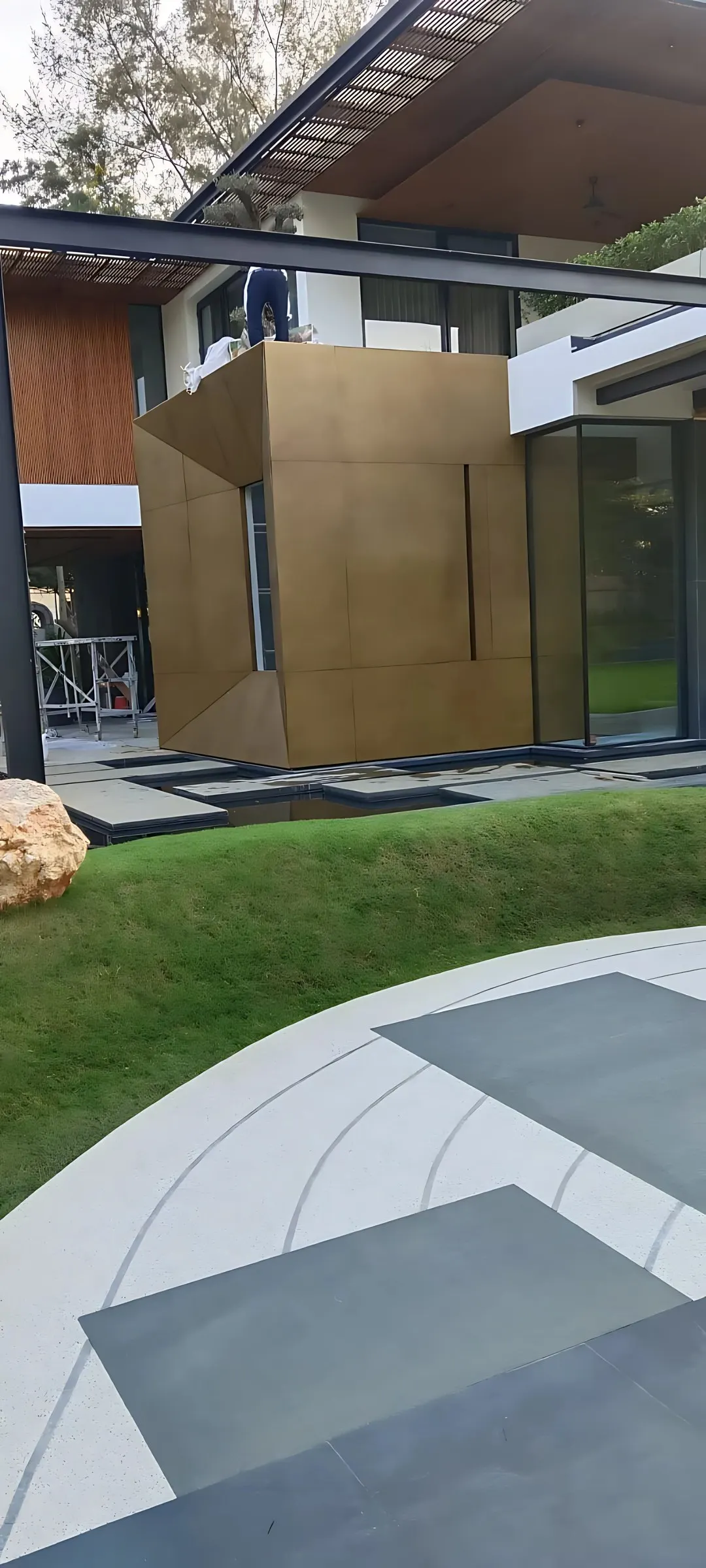
Our CNC V-grooving machine cuts a precise groove along the fold line, which is what allows a sheet to turn a corner at a genuinely sharp edge rather than a soft radius. It is the difference between cladding that reads as solid metal and cladding that reads as bent sheet.

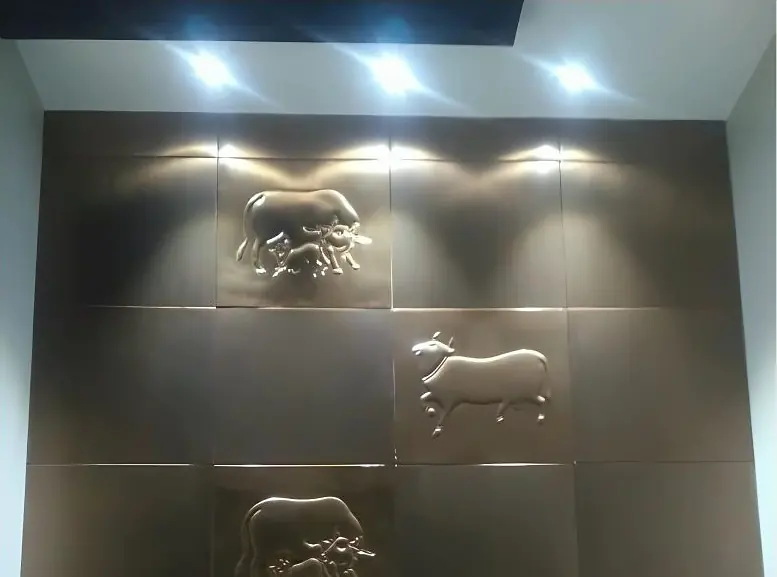
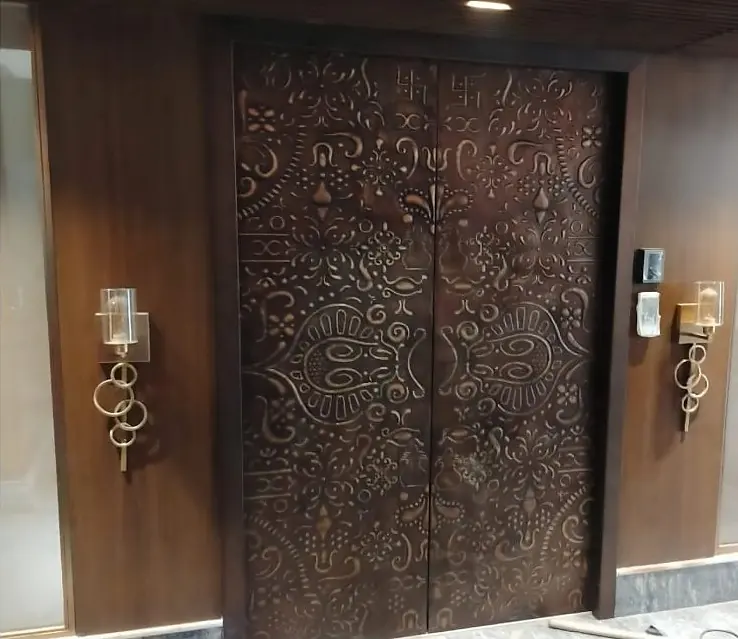
Beyond flat panelling we build three-dimensional walls: hexagonal and geometric tiles, hand-beaten textures, cast relief panels, and inlays that combine two metals or a metal with stone.
In pictures

Luxury Wall Cladding from the workshop

The gallery
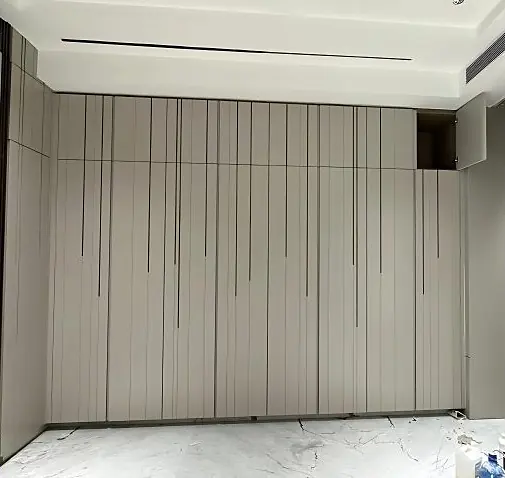
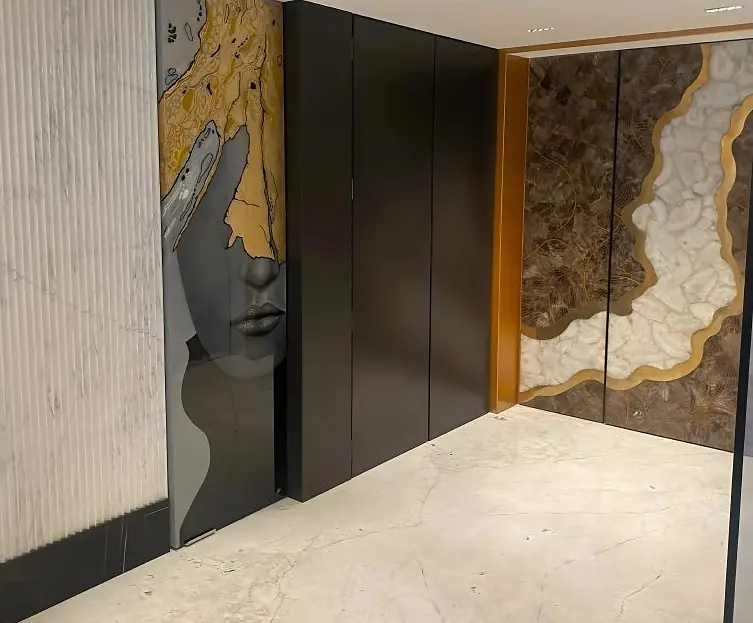
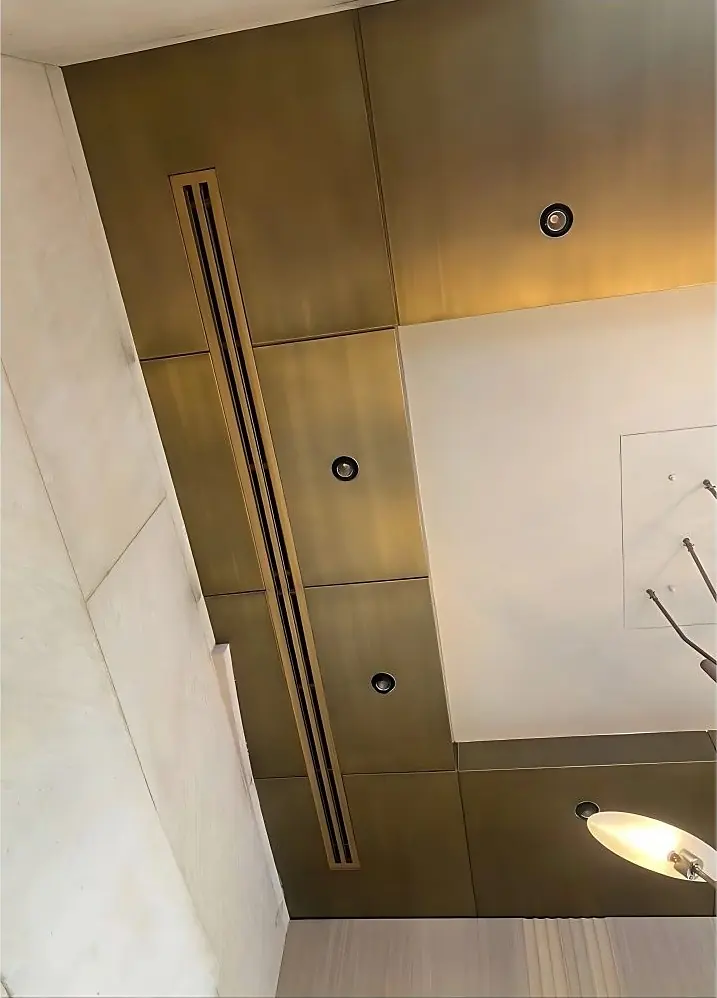
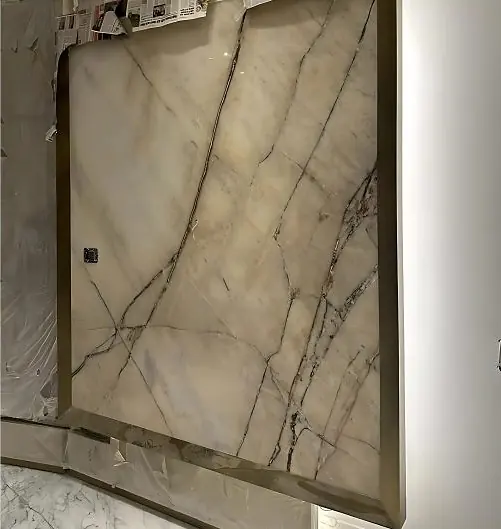
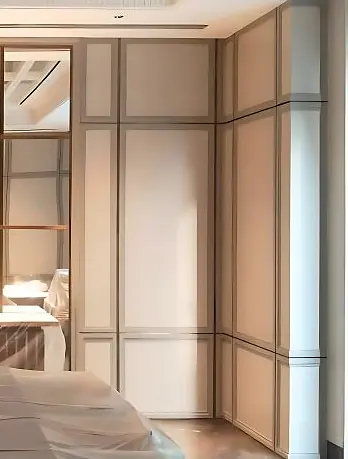
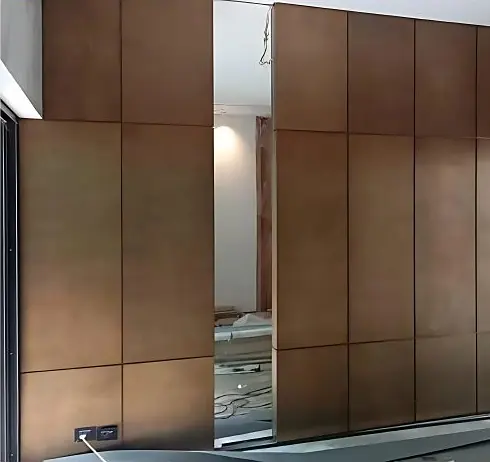
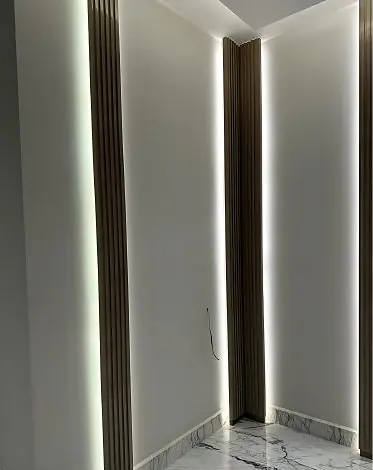
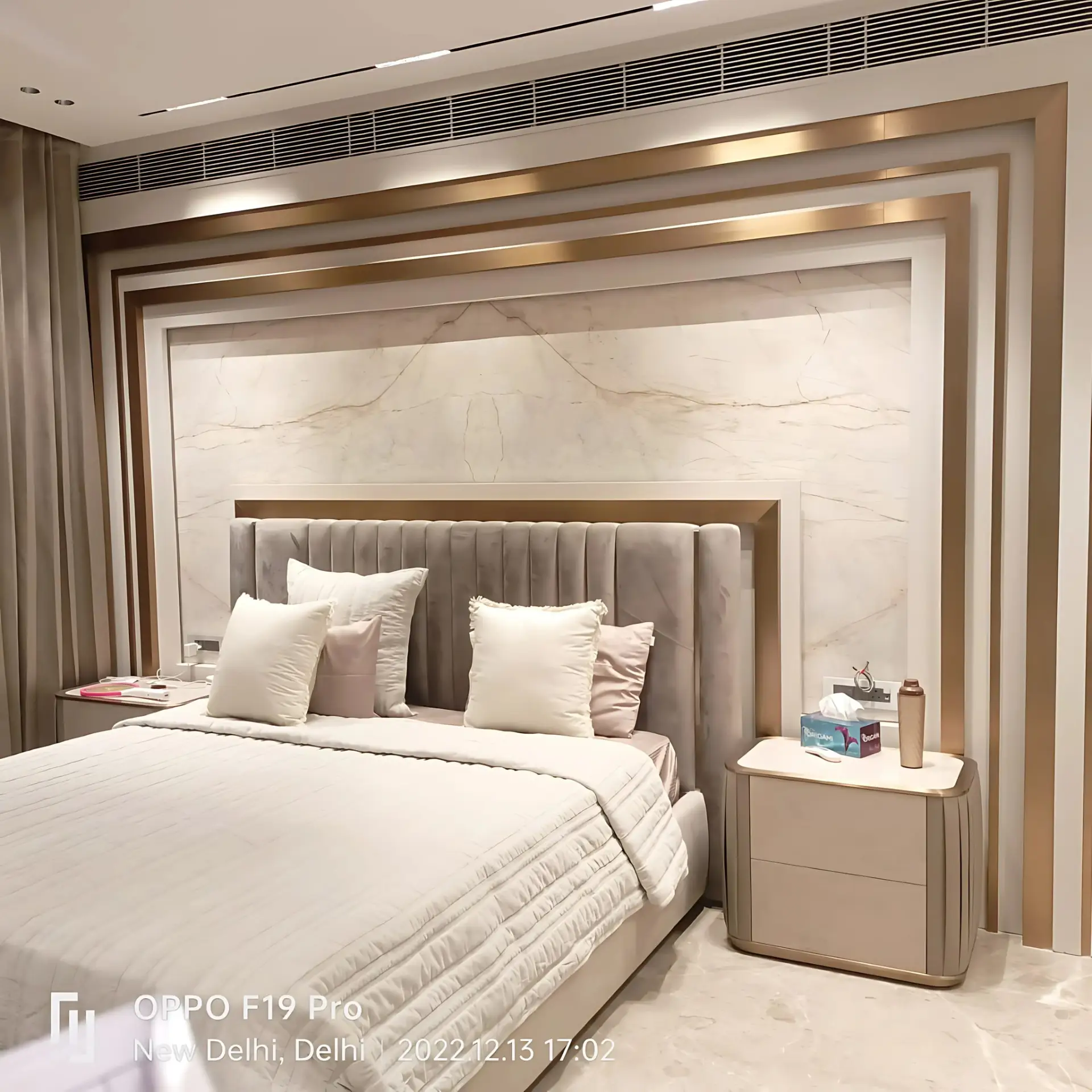
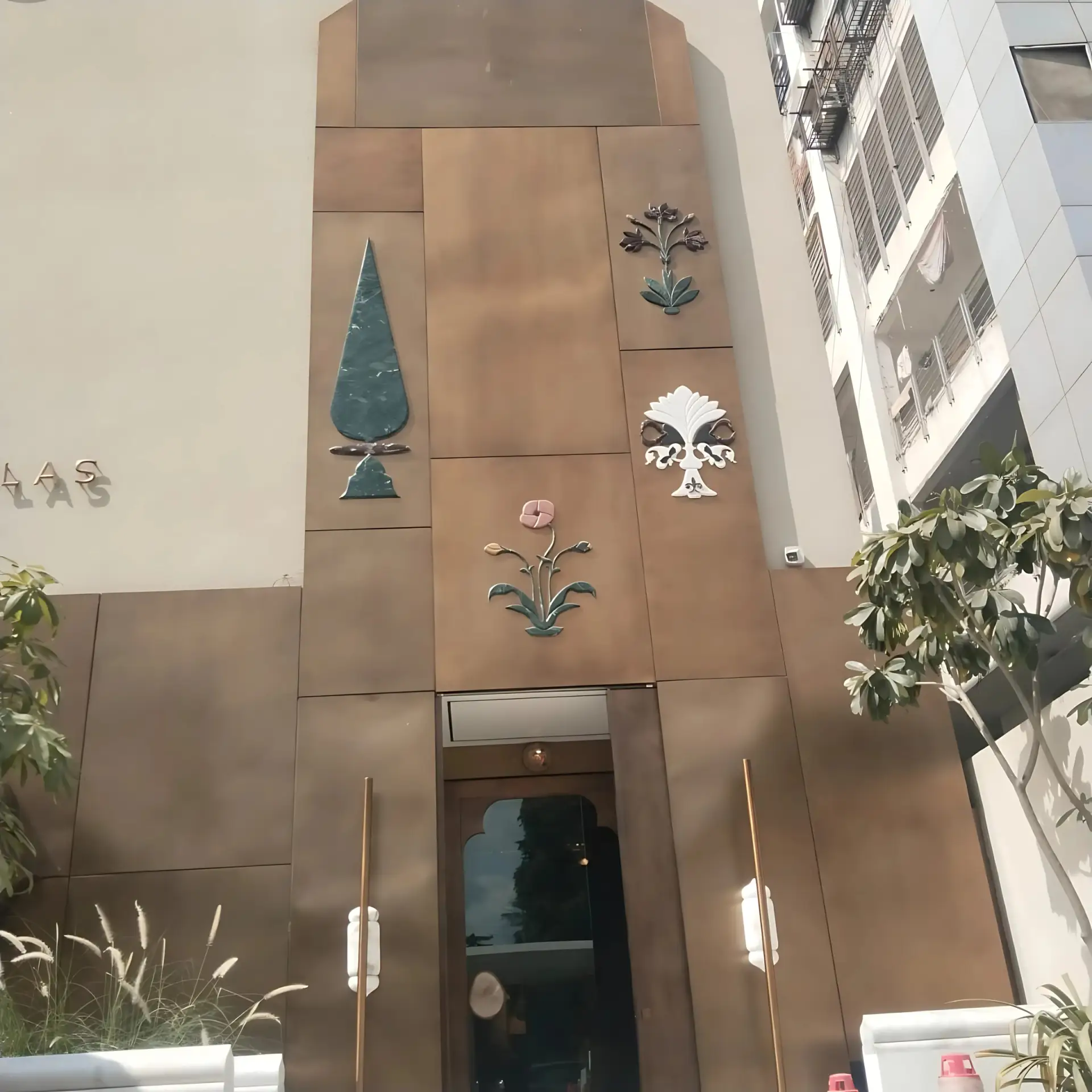
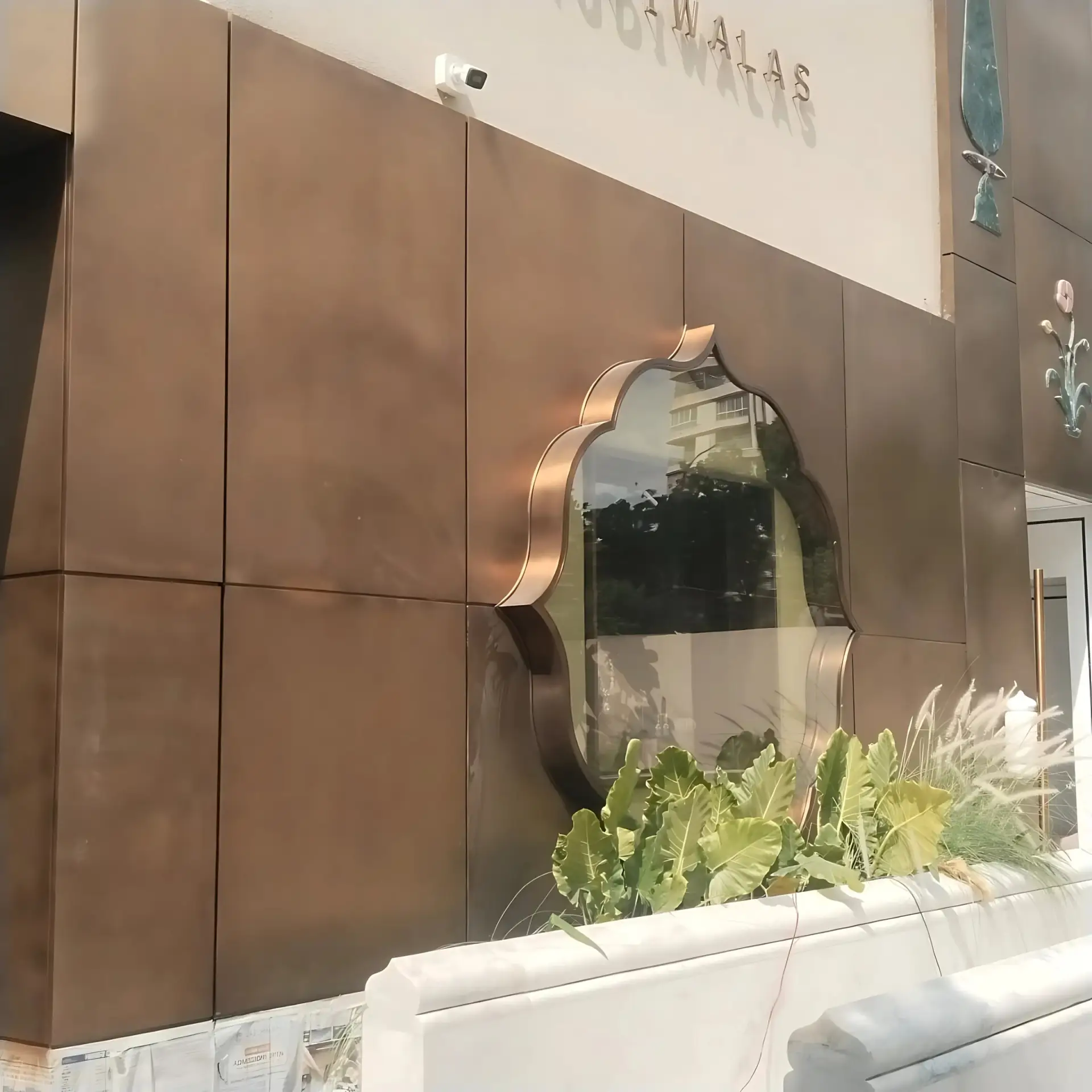
Antique brass wall cladding panels with fine shadow jointsAntique brass wall cladding with studded detailingLarge-format patinated brass wall claddingFluted metal wall cladding running floor to ceilingBrass inlay wall panelling along a corridorBrass wall panelling with a recessed linear light slotBrass frame around a book-matched marble feature wallFine metal trim wall panelling in a bedroomBronze wall cladding panels in an interiorBacklit metal reveal detail in a wallBronze wall panels with cast animal motifsMetal wall claddingExterior metal claddingExterior metal claddingExterior metal claddingMetal wall claddingMetal wall claddingMetal wall claddingMetal wall claddingMetal wall claddingExterior metal claddingExterior metal claddingMetal wall claddingMetal wall cladding

Questions about wall cladding

Why do some large metal panels look wavy?

Because sheet metal is never perfectly flat, and a big unbroken face shows every ripple once light runs along it. The cure is in the making: a sub-frame that is true, panels sized so they stay flat, and a folded return on every edge for stiffness. A wavy wall is almost always a panel that was too large for its thickness or fixed to a frame that was not straight.

Can wall cladding be taken down and refitted?

If it was designed to be. Panels hung on concealed clips or a rail can be lifted off individually — to reach services behind, or to replace one that has been damaged — and go back in the same place. Panels that were glued or welded into one surface cannot. Say at the outset whether access will ever be needed.

Start a conversation

Planning wall cladding for a project?

Send a drawing, a sketch, or a photograph of something close to it. We will tell you what is buildable, what it costs and how long it takes.

WhatsAppCallEnquire