Discipline

Custom Metal Details

Profiles, trims, inlays and one-off components drawn specifically for one project.

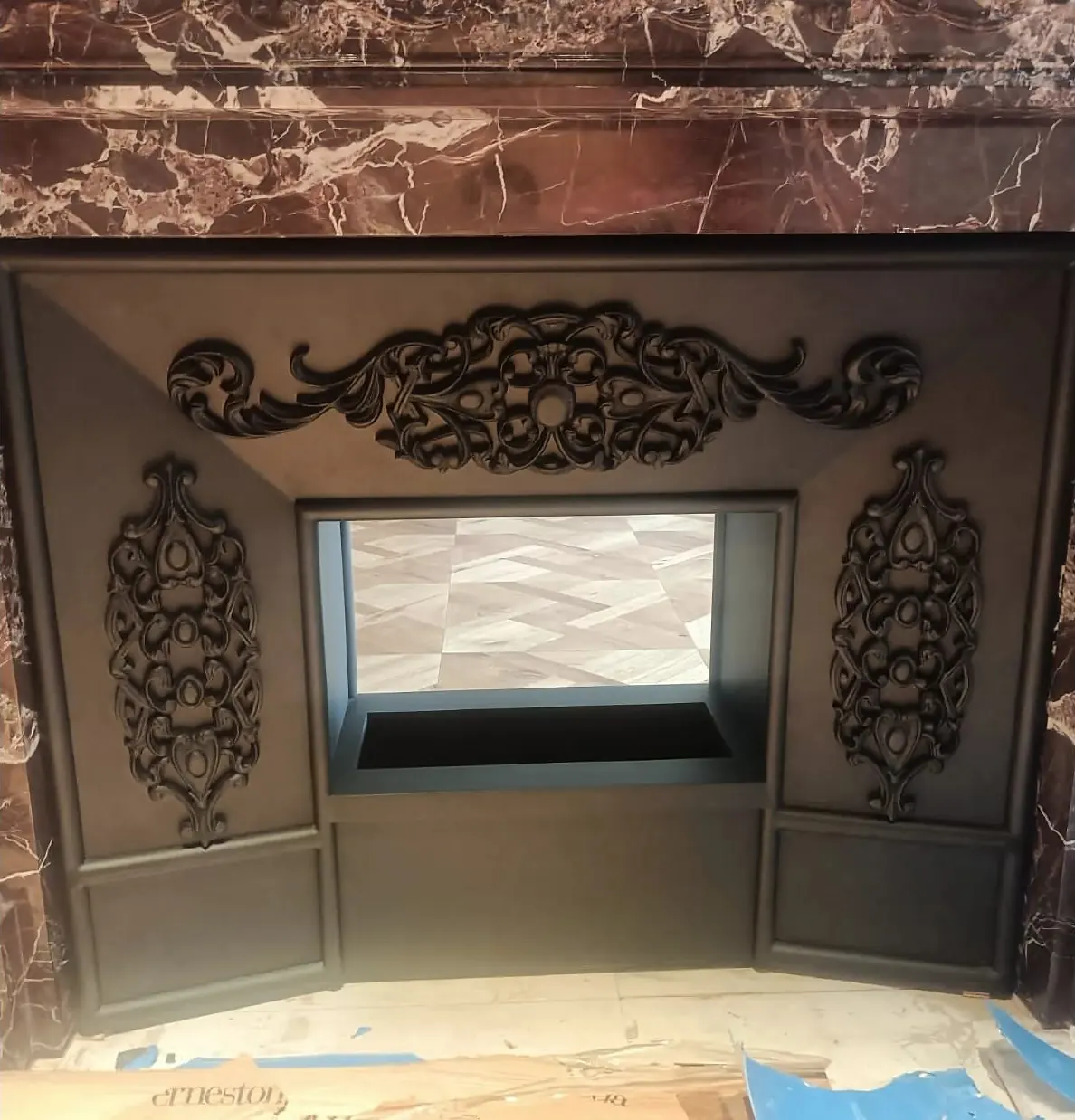
Ornate blackened metal fireplace surround

The parts nobody stocks.

Profiles, trims, inlays and one-off components drawn specifically for one project and made nowhere else.

A great deal of what we make is not a product at all. It is a twelve-millimetre brass profile in a specific finish, six metres of it, to a section that does not exist in any catalogue. Or an inlay strip that has to sit flush in stone. Or a trim that resolves an awkward junction between two materials.

These are the pieces that decide whether an interior looks resolved or improvised, and they are usually specified late, needed quickly and required in small quantities — which is exactly the work most suppliers decline.

We take it. V-grooving and press-brake forming let us produce custom sections economically in short runs, and because the finishing happens here, the trim matches the cladding it sits against.
In pictures

Custom Metal Details from the workshop

The gallery
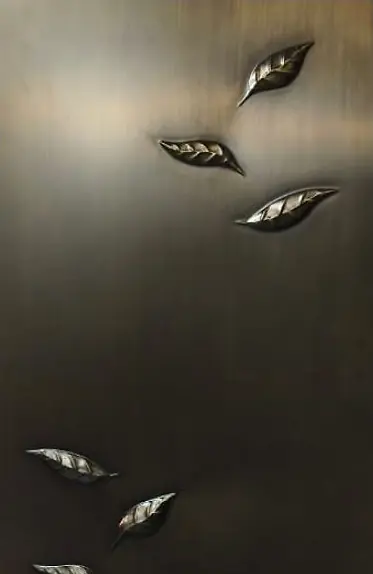
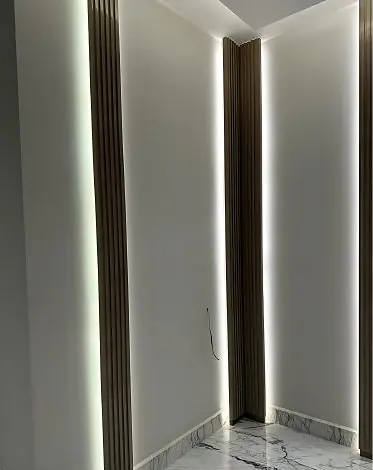
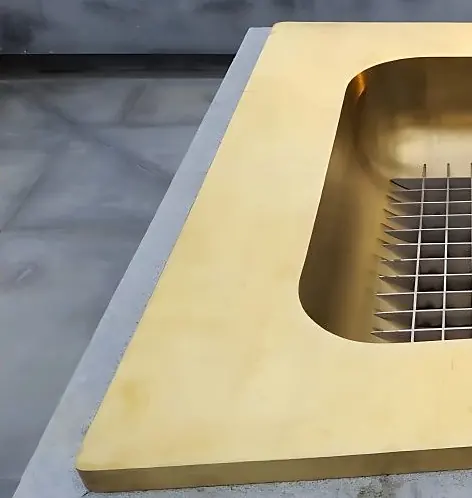
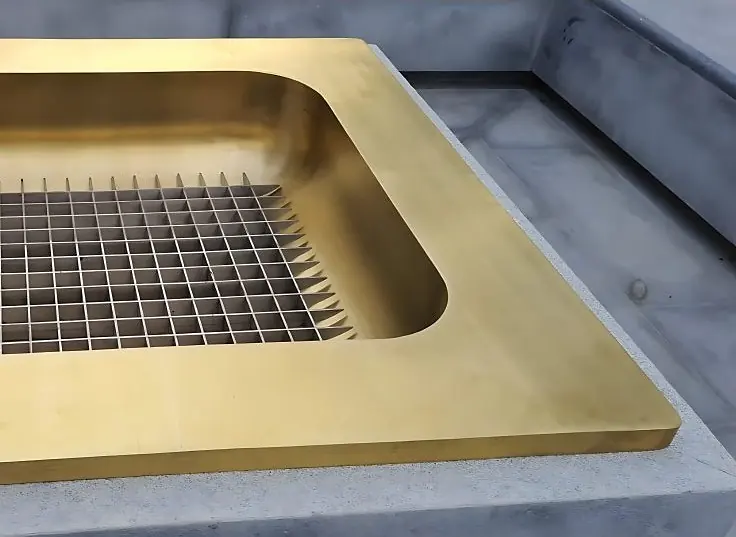
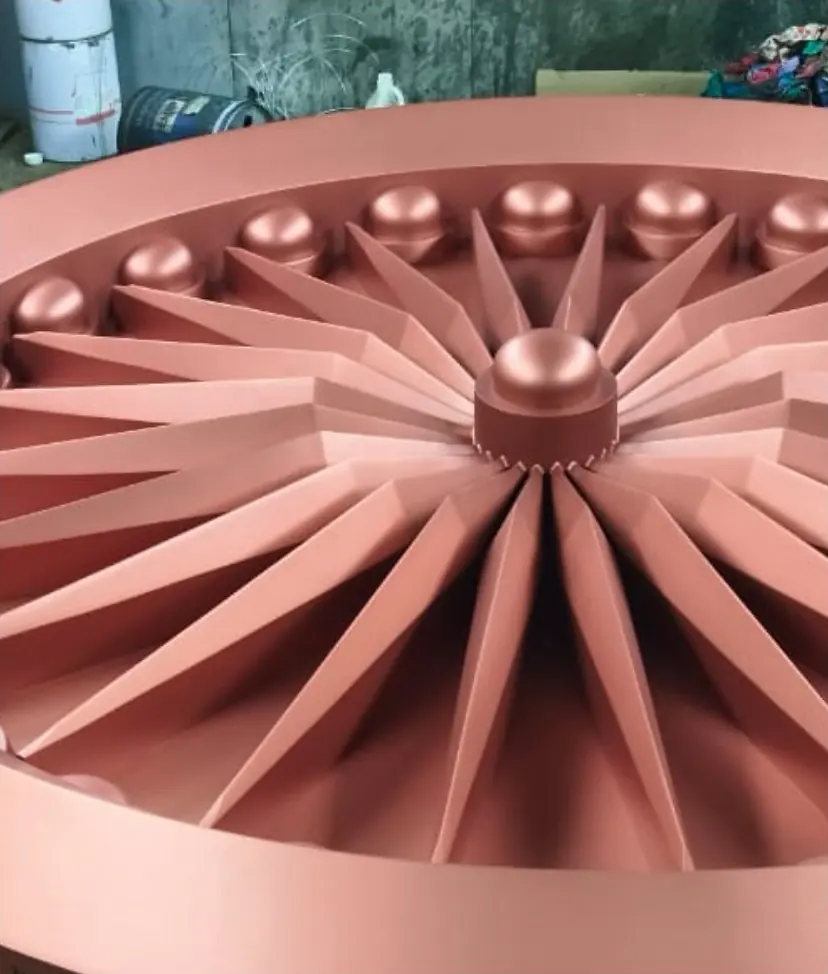
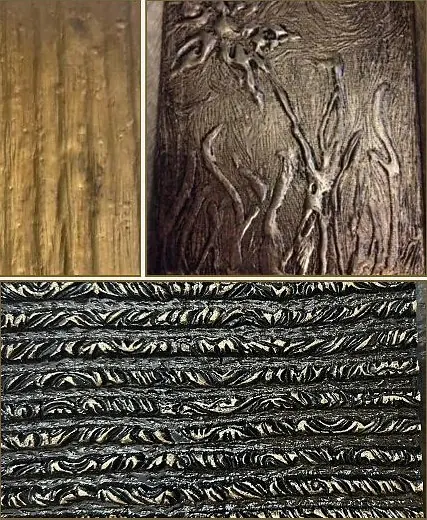
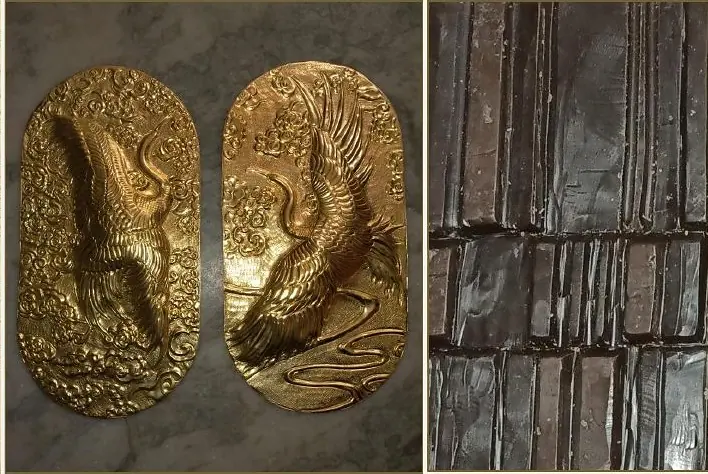
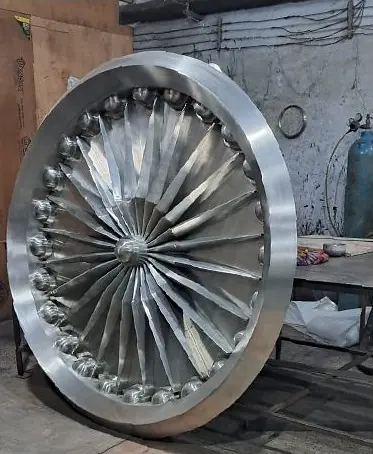
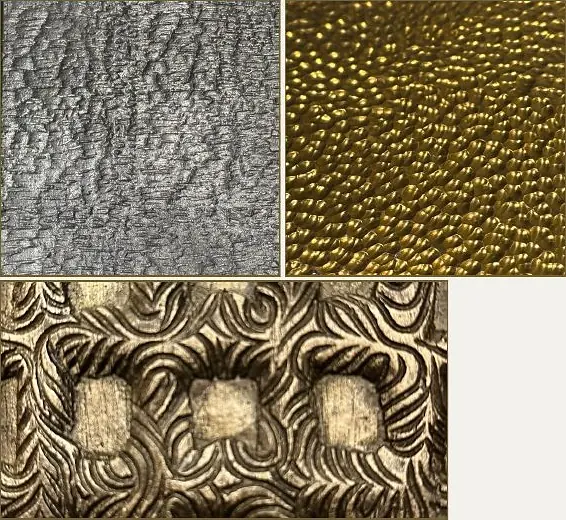
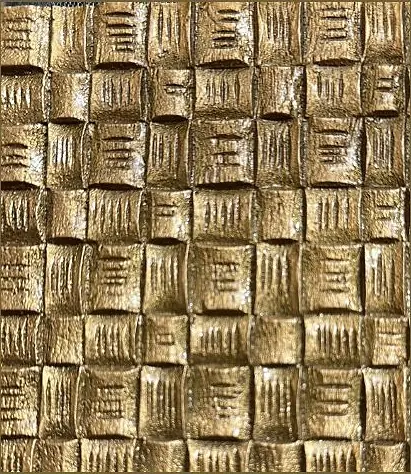
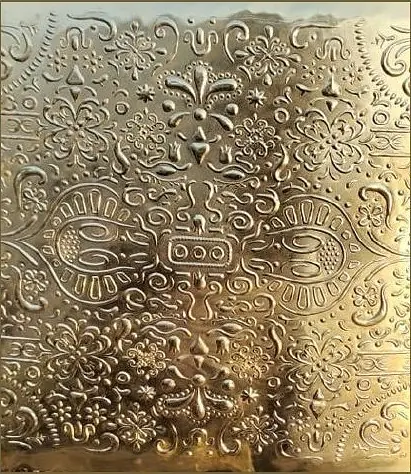
Hand-beaten basketweave texture in brassEmbossed brass panel with an ornamental patternBronze leaf inlays set into a dark metal panelBacklit metal reveal detail in a wallBrass fire panel and hearth detailBrass fire basket set in a formed hearth trayCast metal rosette medallion for an architectural facadeCast relief metal panel samplesCast metal relief plaques and an embossed bark-textured panelStainless steel cast medallion in the workshopHammered and dimpled metal texture samples

Questions about custom metal details

What is an inlay strip actually for?

To finish the line where two materials meet — stone and timber, timber and carpet, one stone and another — with something that is straight, level and intended, instead of a joint. It also takes the movement and the small mismatch in height between the two, which is why it is drawn as a section for that exact junction rather than picked from a catalogue.

Can a profile be matched to one that already exists?

Usually. A sample of the existing profile — or a good section drawing — is measured and the new one made to it, in the same metal and finish. Where the original was a standard section that no longer exists, it is remade from the measurement. The finish is the part most likely to differ, and a sample beside the original settles that.

Start a conversation

Planning custom metal details for a project?

Send a drawing, a sketch, or a photograph of something close to it. We will tell you what is buildable, what it costs and how long it takes.

WhatsAppCallEnquire