Discipline

Fireplaces & Hearths

Surrounds, fire panels, baskets and hearth trays — metal that is meant to be near heat.

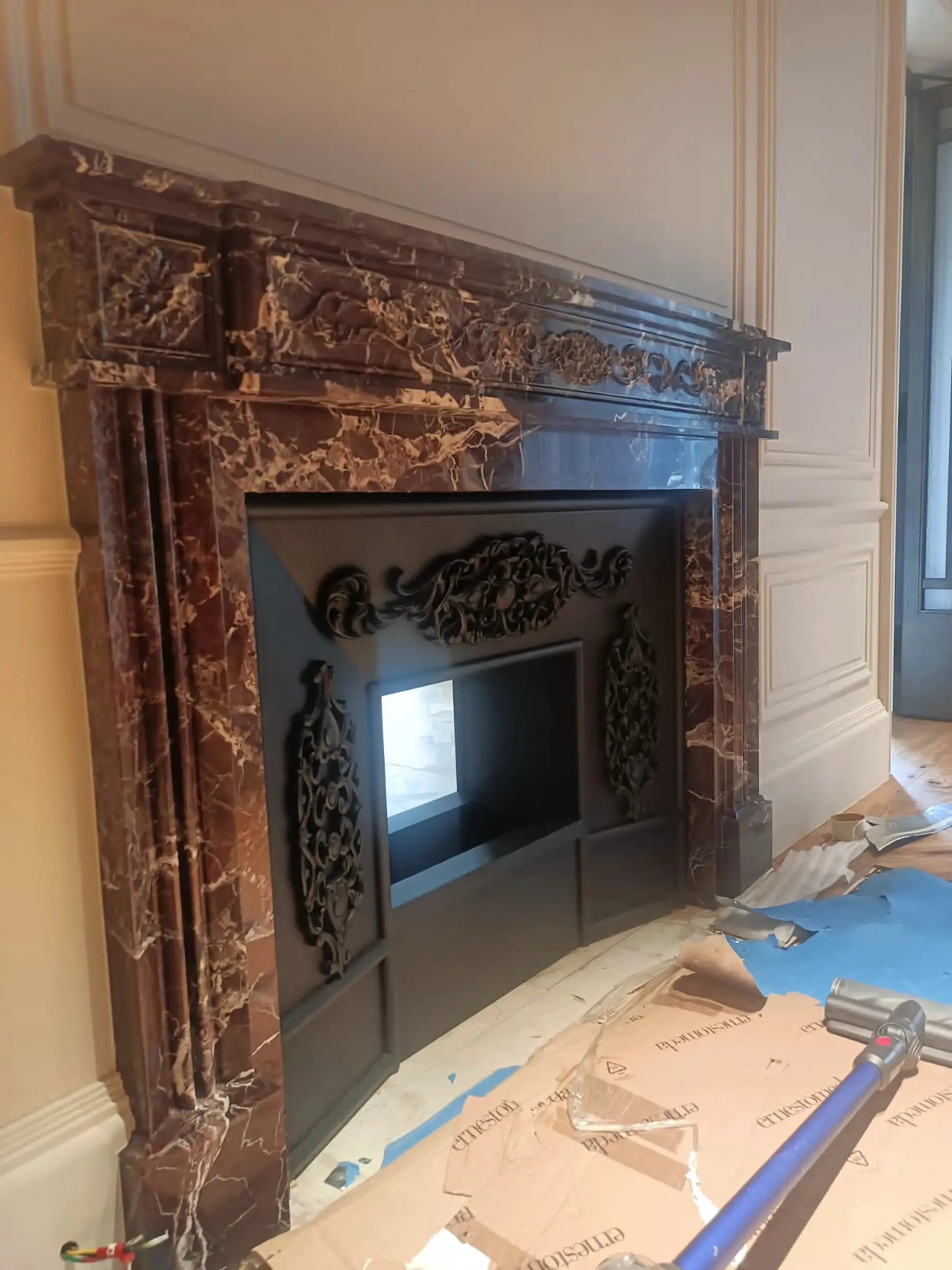
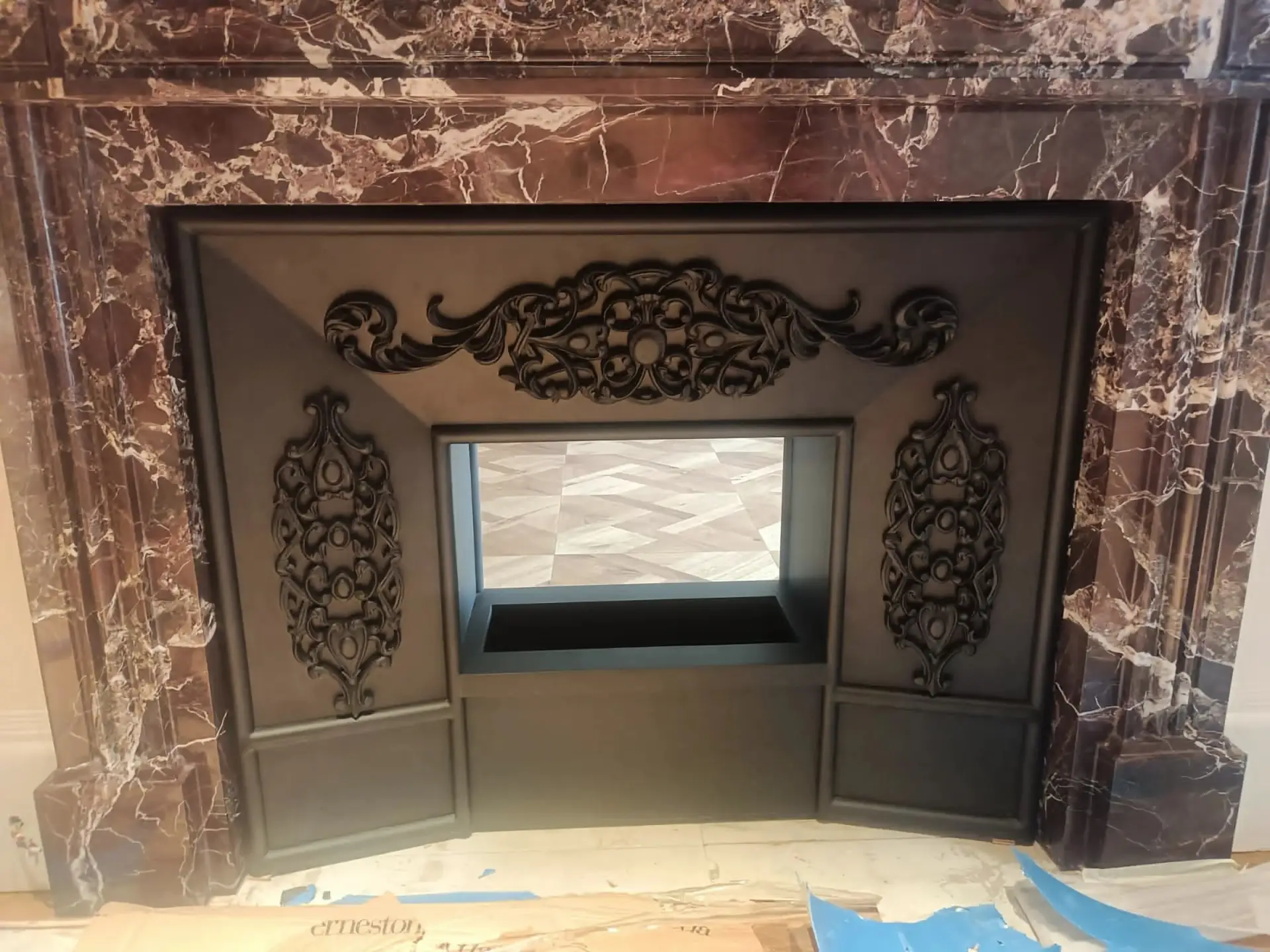
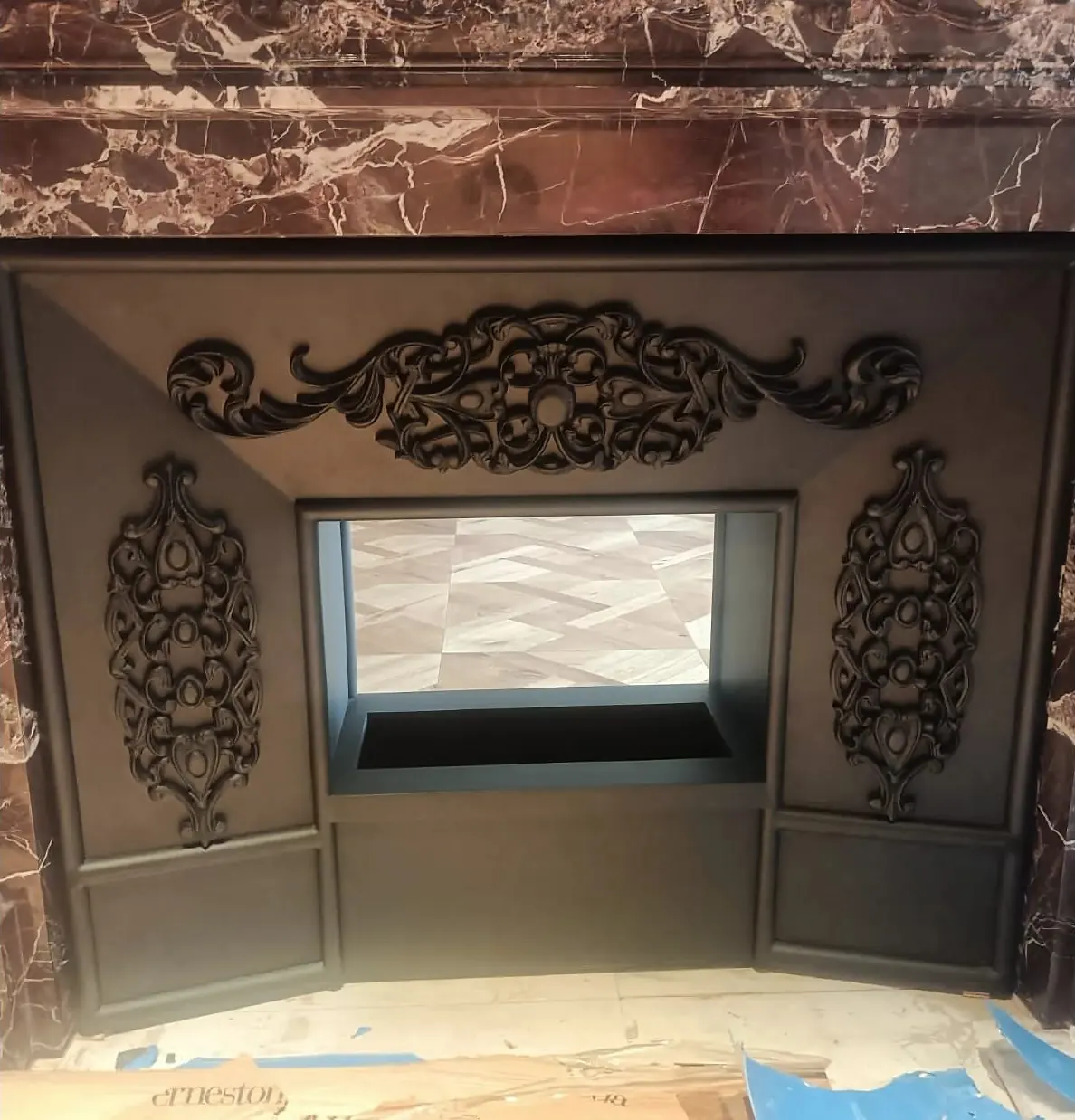
Ornate blackened metal fireplace surround

The one surface built for heat.

A fireplace is where a room’s metal has to be honest. Heat finds every shortcut in the making, and the surface people sit closest to is the one that shows it.

Metal near a fire is doing two jobs. The surround and the hearth tray are architectural — they frame the opening and finish the floor and wall around it. The fire panel and the basket are working parts — they sit in the heat, and they are made from thicker material, formed rather than folded, and finished in a way that will not lift or discolour.

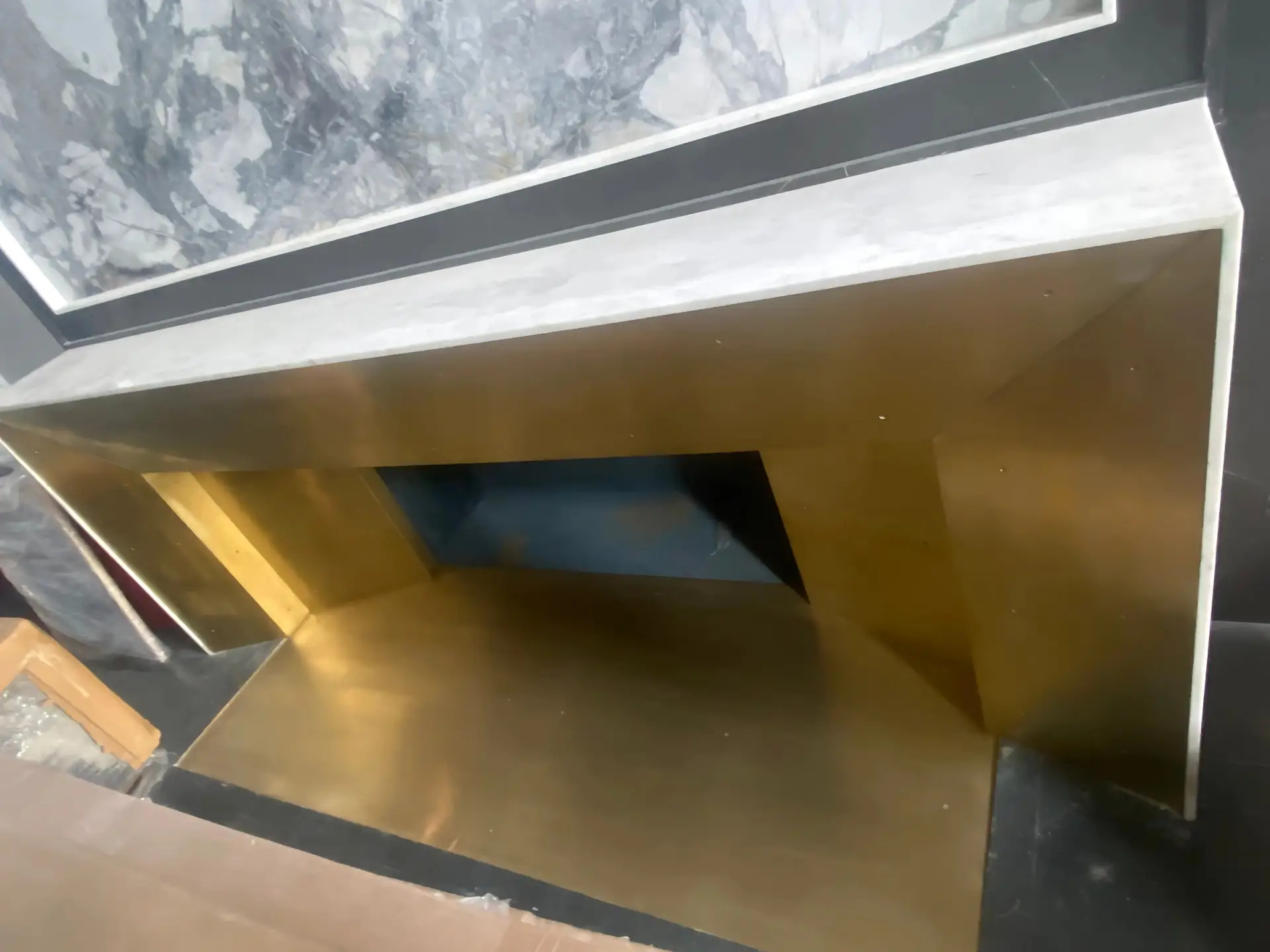
Blackened steel is the traditional choice for the working parts because it has nowhere to go: it is already the colour heat would make it. Brass and bronze are used for the surround and the tray, where they are warm to the eye and stay outside the range that would move a finish.

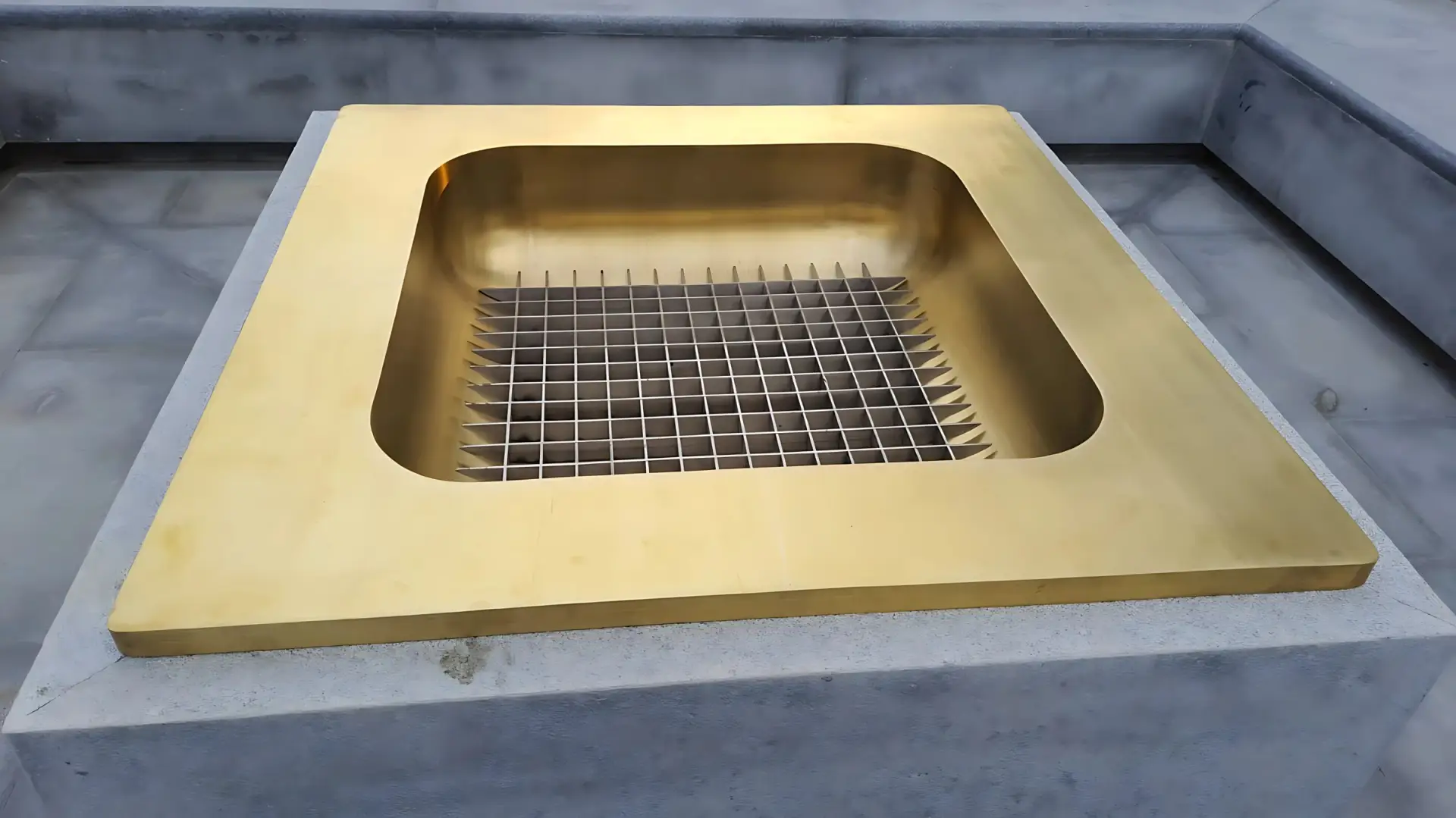
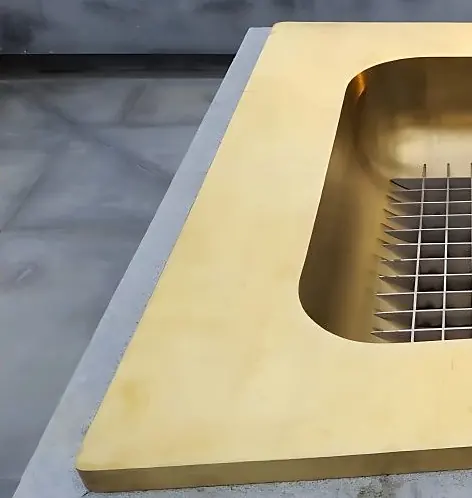
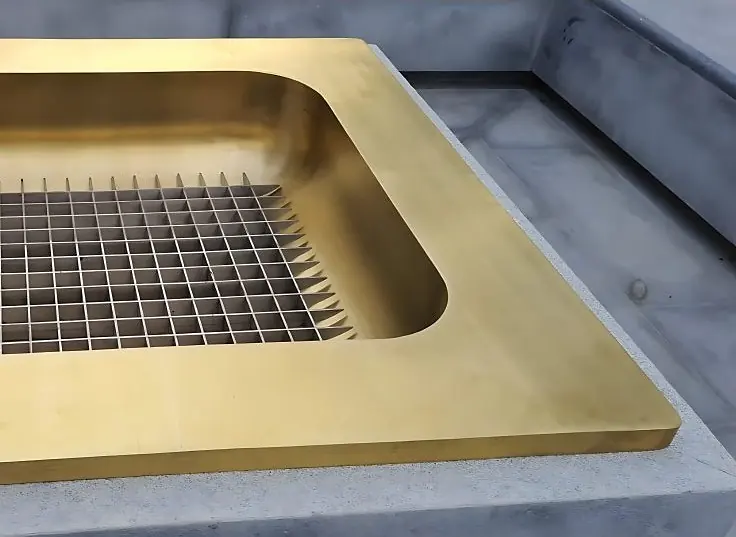
The hearth tray is more engineering than it looks. It has to sit flat on a floor that may not be, take the weight of the basket and the fuel, drain if it is ever washed, and meet the stone or tile around it with a clean line rather than a bead of sealant.

Ornament belongs on the surround and nowhere else. A cast relief, a hand-beaten face or a fluted profile on the surround is the tradition; on the fire panel it fills with soot and cannot be cleaned.
In pictures

Fireplaces & Hearths from the workshop

The gallery
Ornate blackened metal fireplace surroundBrass fire panel and hearth detailBrass fire basket set in a formed hearth trayBrass fire basket and hearth trayBrass fire basket and hearth trayMetal fireplace surroundMetal fireplace surround

Questions about fireplaces

Which metal goes nearest the fire?

For the parts the fire touches — the basket, the back panel, the grate — blackened steel, made heavy and finished as the metal itself rather than something applied to it. Brass and bronze are used for the surround, the fender and the hearth tray, which sit beside the heat rather than in it and can carry the finishes the rest of the room has.

Can a coated or patinated surround extend into the opening?

It should stop at the line where the heat begins. A coating inside the opening blisters in its first winter; a patina moves. Ornament — cast relief, hand-beating, a fluted profile — belongs on the cool side of that line, and the working parts inside it are plain, heavy and honest.

Start a conversation

Planning fireplaces for a project?

Send a drawing, a sketch, or a photograph of something close to it. We will tell you what is buildable, what it costs and how long it takes.

WhatsAppCallEnquire